Oatmeal has long been considered one of the healthiest breakfast staples. Packed with fiber, vitamins, and minerals, it’s linked to better digestion, improved heart health, and steady energy.
In recent years, interest in hormone health and stress has sparked conversations about cortisol - the body’s main stress hormone - and how diet may influence it. This has led to a growing curiosity about whether oatmeal could affect cortisol levels.
So, does oatmeal increase cortisol? Current evidence does not show a typical serving causing a harmful or sustained cortisol increase.
Does oatmeal increase cortisol?
Oatmeal appears unlikely to cause harmful or sustained increases in cortisol. While direct human research on oatmeal and cortisol is still limited, brief changes in cortisol after eating are a normal part of the body’s post-meal response and do not necessarily indicate dysregulation.
The strongest evidence for oats points to benefits from beta-glucan and favorable effects on glucose and insulin responses, supporting oatmeal as a nutritious choice within a balanced diet, even though these benefits should not be interpreted as direct proof that oatmeal lowers cortisol.
What Oats Do in the Body
Oats are a nutritional powerhouse. They are rich in soluble fiber, particularly beta-glucans, which support cholesterol reduction and promote stable blood sugar levels. The glucose response depends on processing: intact kernels and thicker oat flakes tend to produce lower post-meal glucose and insulin responses than refined grains, while thin, quick, and instant flakes do not show the same advantage.
Beyond energy, oats supply manganese, magnesium, iron, zinc, and B vitamins, all of which play roles in metabolism and nervous system function. The fiber also feeds the gut microbiome, supporting digestion and immune health.
In short, oats contribute to satiety, energy balance, and long-term wellness, making them an ideal foundation for a nutrient-dense diet.
Oatmeal and Cortisol: What the Science Says
Cortisol follows a daily rhythm. It peaks in the morning to help you wake up and gradually declines by evening. Levels also rise in response to physical or emotional stress.
Carbohydrate-rich foods do not have a uniform effect on cortisol. In a small randomized crossover study, carbohydrate consumed after resistance exercise changed glucose and insulin but did not significantly change cortisol. That does not support describing carbohydrates as a direct cortisol-lowering signal.
With oats, the stronger human evidence is about glucose and insulin. A systematic review of 103 controlled comparisons found lower post-meal glucose and insulin responses when oat beta-glucan was added to carbohydrate-containing meals, but that result cannot be used as proof that oats lower cortisol.
The broader evidence on foods that lower and raise cortisol is better interpreted at the diet-pattern level.
Oatmeal Benefits for Men and Women
Oatmeal offers a variety of benefits that support both men and women, making it a versatile food for nearly every lifestyle.
Supports heart and metabolic health
Oats are renowned for their cholesterol-lowering effects thanks to beta-glucans, which help reduce LDL cholesterol from the bloodstream. They also improve insulin sensitivity, supporting healthy blood sugar levels.
Promotes steady energy and focus
The slow-digesting carbohydrates in oats release glucose gradually, helping to fuel both the brain and muscles throughout the day. Many people report fewer energy crashes and better focus after eating oatmeal for breakfast.
This effect varies with processing, and quick or instant oats do not consistently produce the same post-meal glucose advantage seen with intact kernels or thicker flakes.
Aids weight management
Oatmeal is naturally filling, which can reduce the urge to snack between meals. The combination of fiber and complex carbs keeps hunger in check and supports long-term weight goals.
Supports hormonal balance
For men, steady blood sugar helps reduce cortisol spikes, which can protect testosterone levels and support energy for workouts and recovery. For women, nutrients like magnesium and B vitamins in oats help regulate mood and energy, especially during hormonal shifts such as PMS or menopause.
Boosts skin and digestive health
Oats contain antioxidants, including avenanthramides, which have anti-inflammatory properties and may support skin health. Meanwhile, their prebiotic fiber improves digestion and gut microbiome balance.
Oatmeal is not just a convenient breakfast; it’s a food that nourishes both the body and mind, offering benefits for energy, stress resilience, and long-term wellness.
Side Effects of Eating Oatmeal Every Day
While oatmeal is widely regarded as healthy, eating it daily may not suit everyone.
- Digestive discomfort: The high fiber content can lead to bloating or gas, especially if your body isn’t accustomed to large amounts of fiber.
- Phytic acid: Oats contain compounds that bind to minerals like iron and zinc, which may slightly reduce absorption if oats dominate the diet.
- Diet variety: Relying too heavily on oats can crowd out other important nutrient sources.
- Processed versions: Instant flavored oats with added sugars may cause blood sugar spikes and reduce the health benefits.
Choosing whole, less processed oats such as steel-cut or rolled varieties helps maximize benefits while minimizing drawbacks.
Eating Oatmeal for 30 Days: What to Expect
A month of consistent oatmeal consumption may be long enough to notice changes in fullness or bowel habits, but outcomes vary.. Digestion tends to improve as fiber supports regularity. Cholesterol levels may decrease thanks to the action of beta-glucans. Many people report more stable energy throughout the day, along with fewer cravings between meals.
Weight management may also become easier since oats promote fullness and help control appetite. Skin improvements are sometimes noted, likely due to better blood sugar control and reduced systemic inflammation.The evidence does not establish a predictable skin improvement from eating oatmeal for 30 days.
Potential downsides include digestive adjustments during the first week or two and taste fatigue if oats are prepared the same way every day. Balancing oatmeal with proteins, healthy fats, fruits, and spices keeps meals interesting and nutritionally complete.
Drinking Oatmeal Water and New Oatmeal Trends
Oatmeal has evolved far beyond the traditional breakfast bowl. One trend gaining attention is oatmeal water, a beverage made by soaking oats and straining the liquid.
It offers hydration along with some soluble fiber, making it a light option for digestion and satiety. Some people use it as a supportive drink for weight management or as a refreshing alternative to sugary beverages.
At the same time, new products have entered the market. Ready-to-drink oatmeal shakes cater to busy lifestyles, fortified blends add protein or probiotics, and oat-based dairy alternatives like oat milk have become mainstream. These new options highlight the versatility of oats and their place in modern diets.
Direct human evidence on oatmeal water and cortisol is lacking, so it should not be presented as a cortisol-lowering drink.
Oatmeal and Stress Management in Context
Oatmeal can be one part of a broader eating pattern that supports steady energy and overall health. Balanced meals, consistent exercise, adequate sleep, and mindful practices all contribute to healthy cortisol rhythms.
Including oatmeal can complement these habits by providing fiber and carbohydrates, but its glucose response depends on processing, portion size, and the rest of the meal. It is a helpful component of a cortisol-friendly diet but works best alongside a varied and balanced approach to health.
The broader evidence on daily habits that affect cortisol adds context because sleep, exercise, recovery, and meal timing all shape the stress response.
Conclusion
Oatmeal delivers a wide range of benefits, from improved digestion and heart health to more stable energy and appetite control. Current evidence does not show a typical serving causing a harmful or sustained cortisol increase. Direct oatmeal-cortisol trials are limited. Its better-established effects involve beta-glucan, cholesterol, and post-meal glucose and insulin responses.
Daily oatmeal can be a smart dietary choice when paired with variety and moderation. Whether enjoyed as a warming breakfast, a light drink like oatmeal water, or one of the many new oat-based products, oats remain a simple way to add fiber and whole grains to a varied diet.
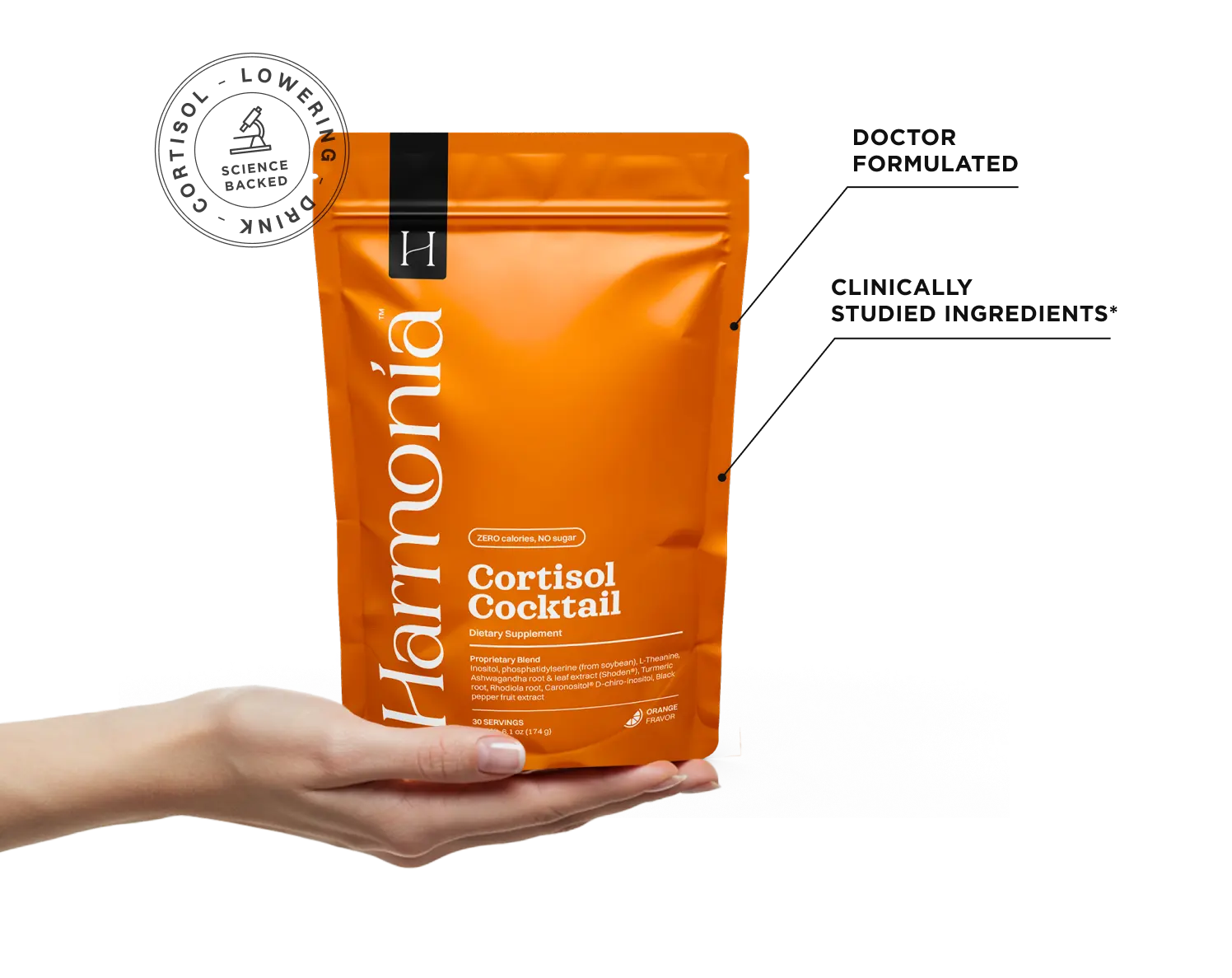
For readers considering supplement support alongside food and lifestyle habits, the Harmonia Cortisol Cocktail includes ashwagandha alongside L-theanine and myo-inositol. A 2026 meta-analysis of 23 placebo-controlled ashwagandha trials found lower cortisol overall, although formulations and doses varied, so that evidence applies to ashwagandha rather than the finished Harmonia formula.
If stress, sleep, cravings, or energy changes are the reason you are thinking about cortisol in the first place, the Harmonia quiz can help you decide whether the Cortisol Cocktail may be a fit for what you’re experiencing.
Frequently asked questions
Can oatmeal lower cortisol?
There is not enough direct human evidence to say oatmeal lowers cortisol. Oats can support nutrition through fiber and beta-glucan, but those findings should stay separate from claims about cortisol reduction.
Can oatmeal cause a cortisol spike?
A normal serving of oatmeal has not been shown to cause a harmful cortisol spike. Food intake can produce short-lived changes in cortisol, and cortisol also varies naturally across the day, so one post-meal change would not by itself indicate a cortisol problem.
Does instant oatmeal affect blood sugar differently from rolled or steel-cut oats?
Yes, processing can change the glucose response. In randomized trials, intact oat kernels and thicker flakes produced lower post-meal glucose and insulin responses than refined grains, while thin, quick, and instant oats did not show the same advantage.
References
- Al-Damluji, S., Iveson, T., Thomas, J. M., Pendlebury, D. J., Rees, L. H., & Besser, G. M. (1987). Food-induced cortisol secretion is mediated by central alpha-1 adrenoceptor modulation of pituitary ACTH secretion. Clinical Endocrinology, 26(5), 629-636. Link
- Musa-Veloso, K., Noori, D., Venditti, C., Poon, T., Johnson, J., Harkness, L. S., O’Shea, M., & Chu, Y. (2021). A systematic review and meta-analysis of randomized controlled trials on the effects of oats and oat processing on postprandial blood glucose and insulin responses. The Journal of Nutrition, 151(2), 341-351. Link
- Zurbau, A., Noronha, J. C., Khan, T. A., Sievenpiper, J. L., & Wolever, T. M. S. (2021). The effect of oat beta-glucan on postprandial blood glucose and insulin responses: A systematic review and meta-analysis. European Journal of Clinical Nutrition, 75(11), 1540-1554. Link
- de Morais Junior, A. C., Schincaglia, R. M., Viana, R. B., Armet, A. M., Prado, C. M., Walter, J., & Mota, J. F. (2023). The separate effects of whole oats and isolated beta-glucan on lipid profile: A systematic review and meta-analysis of randomized controlled trials. Clinical Nutrition ESPEN, 53, 224-237. Link
- Schumm, S. R., Triplett, N. T., McBride, J. M., & Dumke, C. L. (2008). Hormonal response to carbohydrate supplementation at rest and after resistance exercise. International Journal of Sport Nutrition and Exercise Metabolism, 18(3), 260-280. Link
- Shehzad, A., Rabail, R., Munir, S., Jan, H., Fernández-Lázaro, D., & Aadil, R. M. (2023). Impact of oats on appetite hormones and body weight management: A review. Current Nutrition Reports, 12(1), 66-82. Link
- Fornalik, M., Malkiewicz, A., Adamczak, D., Nawrocki, F., Zielinska, A., & Mondal, S. A. (2026). Hormonal modulation with Withania somnifera: Systematic review and meta-analysis of randomized-controlled trials. Planta Medica, 92(8), 790-805. Link

_11zon.jpeg)
%20(1).jpeg)