
Cortisol is often called the “stress hormone,” but it does much more than fuel anxious feelings. It regulates the sleep-wake cycle, metabolism, and energy levels throughout the day. When cortisol stays elevated for too long, it can disrupt sleep, lower resilience to stress, and contribute to fatigue.
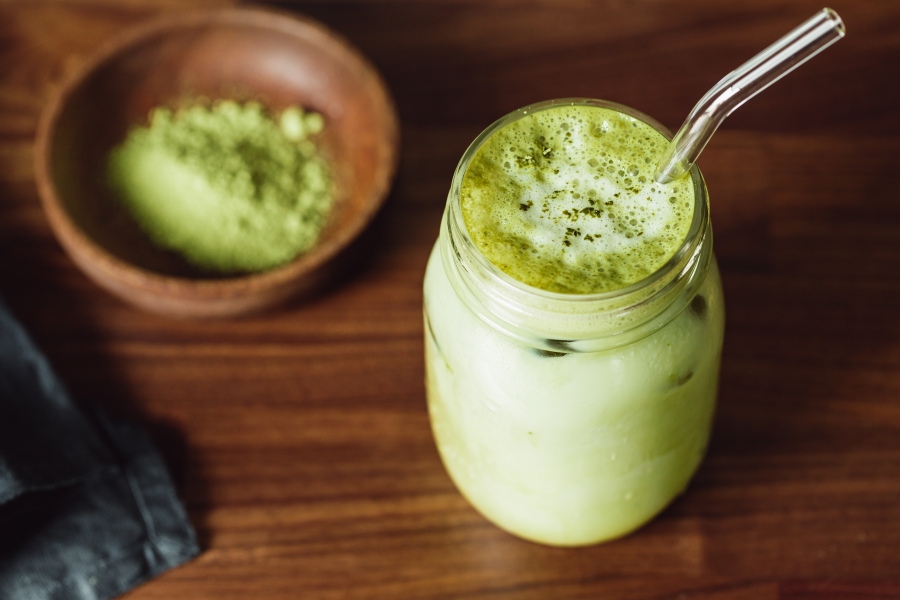
Matcha, a finely ground Japanese green tea, has become one of the most popular wellness drinks in recent years. Known for its rich flavor and calming yet energizing properties, it is often compared to coffee. Many people turn to matcha as a gentler alternative, hoping it can help manage stress or feel easier to tolerate than coffee.
Human research on matcha is still small. The clearest studies report effects on anxiety, attention, or other stress markers rather than a consistent reduction in cortisol.
Does matcha lower cortisol?
Human studies do not yet show that matcha reliably lowers cortisol. Small trials suggest possible effects on anxiety, attention, or other stress markers, but the key matcha studies have not demonstrated a consistent cortisol reduction. Matcha also contains caffeine, so dose, timing, and individual sensitivity still matter. Those same variables appear across the broader evidence on foods and drinks that lower or raise cortisol.
Understanding Cortisol and Caffeine
Cortisol follows a natural circadian rhythm that includes the cortisol awakening response. It peaks in the early morning to help us feel awake, gradually declines throughout the day, and ideally reaches its lowest point late at night. This rhythm is essential for proper rest, stable energy, and balanced metabolism.
Caffeine interacts with this process in a direct way. By stimulating the central nervous system, caffeine increases the release of cortisol and adrenaline. A controlled trial in 96 healthy adults found that habitual caffeine use reduced, but did not eliminate, the cortisol response to caffeine. The broader evidence on caffeine and cortisol follows the same pattern.
The issue with excessive caffeine intake is not justits acute effects on cortisol but the way it can disrupt the natural rhythm. When consumed late in the day, caffeine can interfere with sleep, delaying rest and recovery. This cycle often results in poor sleep, which can raise cortisol again the next day, creating a feedback loop of stress and fatigue.
Matcha, while it also contains caffeine,also provides L-theanine and tea polyphenols. These compounds may change how the drink feels, while a lower cortisol response has not been established.
Matcha and cortisol: what human studies actually show
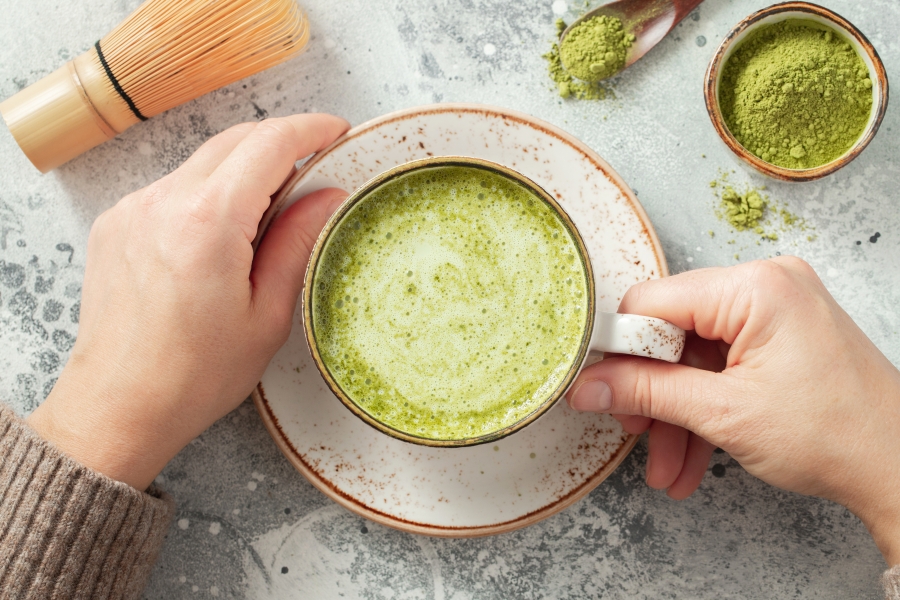
A standard serving of matcha provides a variable amount of caffeine that depends on serving size and preparation. Matcha also contains L-theanine, an amino acid that has been studied for attention, mood, and stress responses.
L-theanine increases alpha brain wave activity, which is associated with calm focus rather than high arousal. A 2025 systematic review and meta-analysis of 50 randomized trials found small effects on selected attention and mood outcomes when L-theanine was studied alone or with caffeine, with uncertainty across several estimates. The result can be a sense of “calm alertness” for some people rather than nervous energy.
A 2018 double-blind randomized trial in 39 healthy pharmacy students found lower anxiety with a test matcha during a stressful practice placement. The physiological marker was salivary alpha-amylase, not cortisol, so the trial does not show that matcha lowered cortisol.
For people sensitive to caffeine, this difference can be dramatic. Instead of feeling restless or jittery, some people report improved focus and a steady sense of energy that lasts for hours. That experience does not confirm a more balanced cortisol rhythm.
The same distinction matters in the broader evidence on green tea and cortisol, where caffeine and non-caffeine tea compounds can affect the overall experience.
Matcha and hormones: keep the claims narrow
Cortisol is only one piece of the hormonal puzzle. Hormones like insulin, estrogen, progesterone, and testosterone all play important roles in regulating mood, energy, and metabolism. Direct human evidence that matcha meaningfully changes these hormone levels is limited.
Hormonal balance support: Matcha contains polyphenols and catechins, which may reduce oxidative stress. This should not be treated as proof that matcha balances hormones.
Matcha and Sleep: Timing Matters
Sleep quality is closely tied to cortisol. High evening cortisol levels interfere with the body’s ability to wind down, leading to difficulty falling or staying asleep. Stimulants like caffeine can also disrupt sleep when consumed too late.
Matcha’s caffeine content makes it unsuitable for late-night consumption for many caffeine-sensitive people. While caffeine stimulates the nervous system, L-theanine has been studied for perceived stress and attention, but it does not cancel caffeine’s effect on sleep.
Those who struggle with sleep should enjoy matcha in the morning or early afternoon. This allows time for the caffeine to metabolize before bedtime. A 2023 systematic review and meta-analysis found that caffeine reduced total sleep time and sleep efficiency. The broader relationship between cortisol and sleep also runs in both directions.
Energy, Focus, and Stress Resilience with Matcha

One of the most celebrated qualities of matcha is the type of energy it provides. Rather than a rapid surge, it creates a steady state of mental alertness for some people, although the duration varies with caffeine dose and metabolism.
The difference comes down to how the body responds to caffeine, L-theanine, and individual metabolism.
- Duration of effect: While coffee can feel like a spike followed by a crash, matcha’s energy curve is smoother. The caffeine half-life is around five hours, so its effects remain active for much of the day.
- Support for productivity: This makes matcha a popular choice for work, study, or creative tasks that require sustained focus. Many people find they can concentrate longer and remain calm under pressure.
- Stress resilience: Some people experience less overstimulation with matcha, but that subjective effect is not the same as a measured cortisol benefit.
Matcha vs. Coffee: Impact on Cortisol
Coffee and matcha share caffeine as their primary stimulant, but their direct head-to-head cortisol effects have not been well tested.
For individuals with high stress loads or those prone to anxiety, matcha may feel like a gentler choice when it replaces a higher-caffeine coffee. Some people report less jitteriness when switching from coffee to matcha, but it has not been shown to reliably lower the intensity of cortisol spikes.
In moderate amounts, coffee can be part of a healthy lifestyle. For people concerned with cortisol balance and sleep, caffeine dose and timing matter more than assuming matcha is always the better option.
Science and Myths
The bottom line: does matcha lower cortisol?
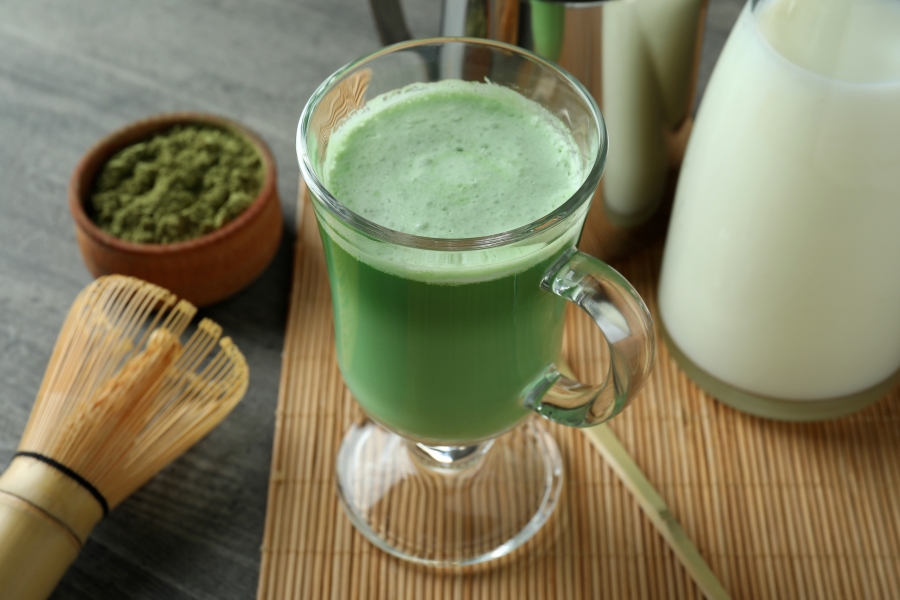
With its moderate caffeine content and the calming influence of L-theanine, matcha provides mental clarity for some people. Current human evidence does not show that it reliably lowers cortisol or prevents caffeine-related cortisol responses.
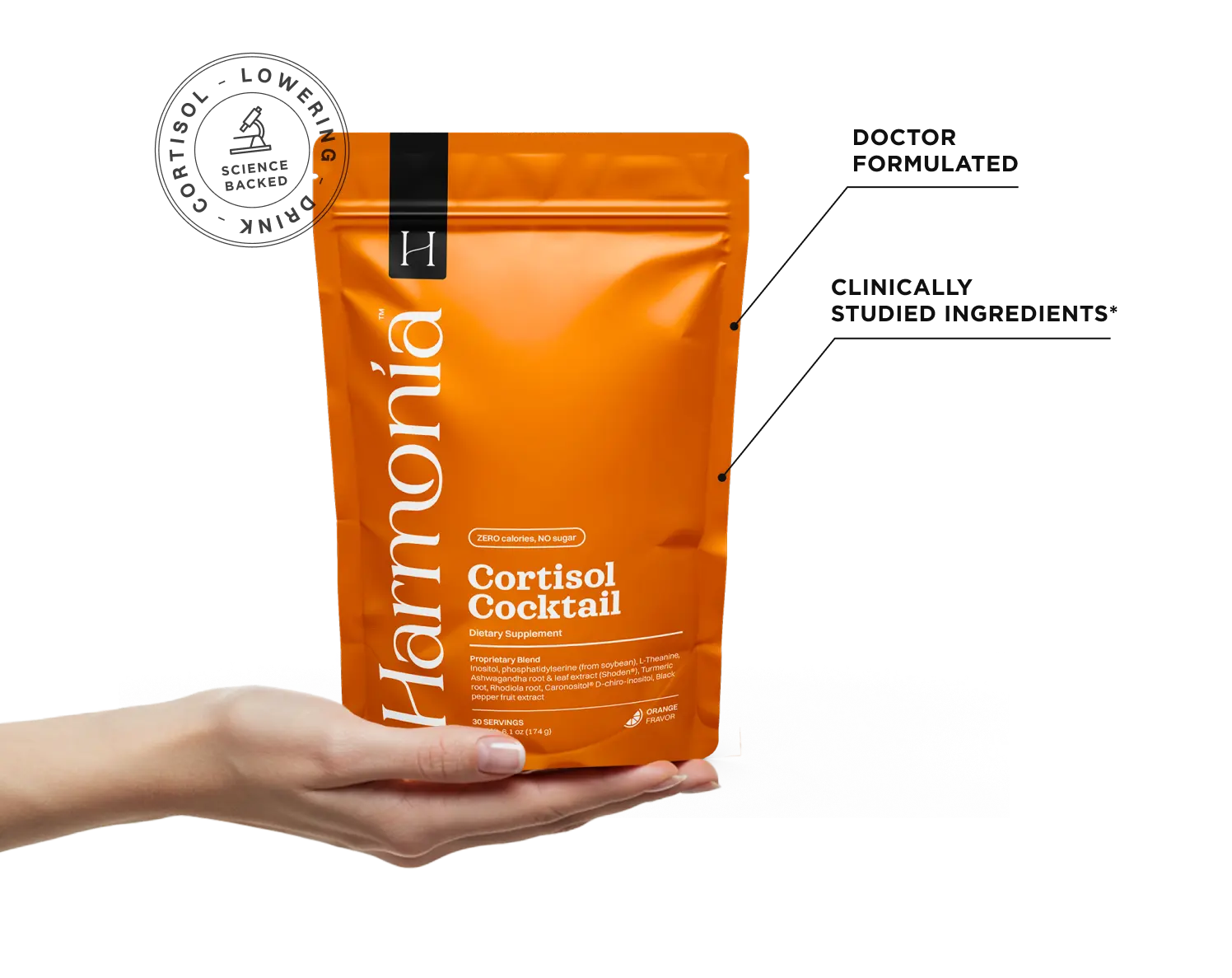
If matcha replaces a higher-caffeine coffee, it can reduce total caffeine exposure. With ingredients like L-theanine, Ashwagandha, and Rhodiola, Harmonia Cortisol Cocktail is positioned as nutritional support.
If you want to see whether the Cortisol Cocktail may fit your routine, the Harmonia quiz can help you decide whether it is a fit for what you are experiencing.
References
- Wang, L., Brennan, M., Li, S., Zhao, H., Lange, K. W., & Brennan, C. (2022). How does the tea L-theanine buffer stress and anxiety. Food Science and Human Wellness, 11(3), 467-475. Link
- Unno, K., et al. (2018). Stress-Reducing Function of Matcha Green Tea in Animal Experiments and Clinical Trials. Nutrients, 10(10), 1468. Link
- Payne, E. R., et al. (2025). Effects of Tea, L-Theanine, or L-Theanine plus Caffeine on Cognition, Sleep, and Mood: Systematic Review and Meta-Analysis. Nutrition Reviews, 83(10), 1873-1891. Link
- Lovallo, W. R., et al. (2005). Caffeine Stimulation of Cortisol Secretion Across the Waking Hours in Relation to Caffeine Intake Levels. Psychosomatic Medicine, 67(5), 734-739. Link
- Gardiner, C., et al. (2023). The effect of caffeine on subsequent sleep: A systematic review and meta-analysis. Sleep Medicine Reviews, 69, 101764. Link

_11zon.jpeg)
%20(1).jpeg)