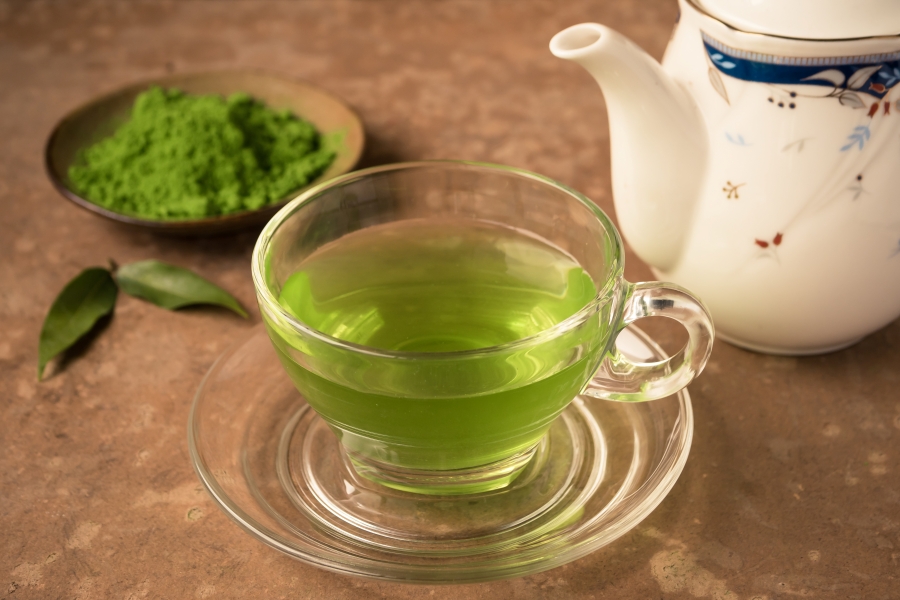

Green tea has long been celebrated as one of the healthiest beverages in the world. From boosting energy and focus to supporting weight management, it’s a staple in countless daily routines.
But one of the biggest reasons people are turning to green tea today is for its potential to ease stress and balance hormones. With stress at an all-time high and more people struggling with anxiety, insomnia, and fatigue, natural remedies that calm the mind and body are in demand more than ever.
At the center of this conversation is cortisol - often called the “stress hormone.” Elevated cortisol levels are linked to sleep problems, mood swings, weight gain, and long-term health issues. The question many are asking is: Does green tea actually lower cortisol and stress hormones - or could it make things worse?
Let’s dive into the science behind green tea and cortisol, explore how it affects stress, and compare it to other teas before looking at more advanced solutions for managing cortisol naturally.
What is Cortisol and Why Does it Matter?
Cortisol is a hormone released by your adrenal glands, and it plays a vital role in survival. In healthy amounts, cortisol helps regulate blood sugar, metabolism, immune response, and energy throughout the day.
The problem arises when cortisol stays elevated for too long - a common side effect of chronic stress. High cortisol over time can lead to:
- Anxiety and irritability
- Insomnia and restless nights
- Fatigue and brain fog
- Hormonal imbalances, including irregular menstrual cycles
- Stubborn belly fat and weight gain
- Reduced immune resilience
Finding natural ways to bring cortisol back into balance is essential for both mental health and physical well-being. This is why many turn to teas, supplements, and lifestyle strategies that help calm the nervous system and support hormonal health.
Green Tea and Cortisol: What Science Says
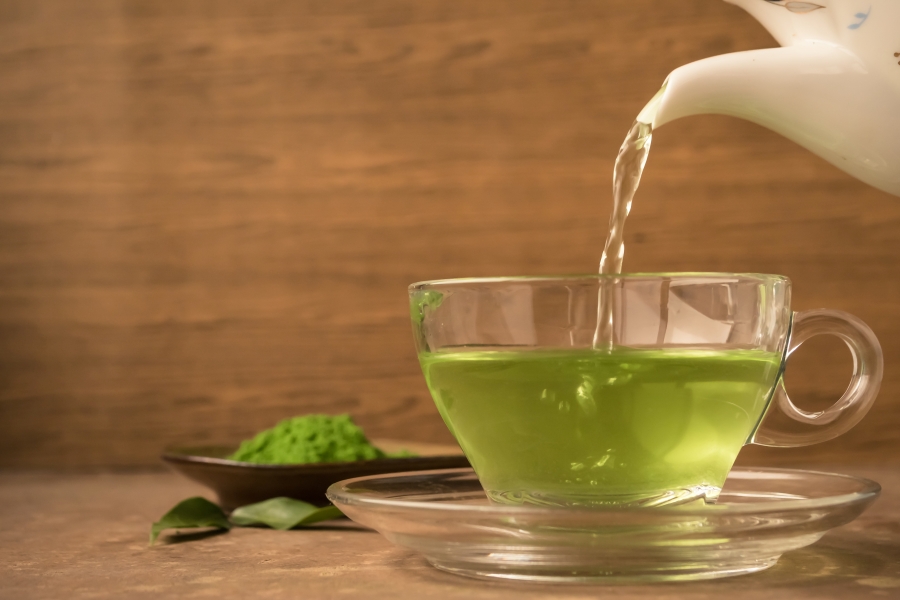
Green tea shows promising potential to support healthy cortisol levels. Early human research found lower cortisol after six weeks of drinking decaffeinated green tea, suggesting green tea may have a beneficial role in stress regulation. While more research is needed to understand how these effects translate to typical caffeinated green tea and adults more broadly, the findings offer an encouraging starting point.
Green tea is packed with powerful bioactive compounds, and several of them may influence how your body manages stress and cortisol.
L-Theanine for Calm Focus
L-theanine is an amino acid found almost exclusively in tea leaves. Research on isolated L-theanine supplements suggests possible stress benefits, but those studies use doses that cannot be assumed from a typical cup of green tea.
This makes green tea different from coffee for some people: it contains caffeine alongside L-theanine, although that combination does not prove a cortisol-lowering effect. The broader evidence on L-theanine and cortisol gives useful context for the ingredient itself.
Catechins and EGCG for Inflammation
Green tea is rich in catechins, especially epigallocatechin gallate (EGCG), a potent antioxidant. Human intervention research has not established that EGCG in an ordinary cup directly lowers cortisol.
Mild Caffeine with a Balancing Effect
Green tea contains caffeine, but in smaller amounts compared to coffee. On its own, caffeine can raise cortisol levels. A double-blind crossover trial of 96 adults found that cortisol responses to caffeine were reduced but not eliminated after regular intake, so dose, timing, and sensitivity still matter.
The broader evidence on how caffeine affects cortisol is covered separately.
What the Research Shows
- Some studies suggest green tea lowers cortisol. The clearest direct human study used six cups/day of decaffeinated green tea for 6 weeks in 60 adolescents, so the result cannot be generalized to typical adult intake.
- Others note that the caffeine component may cause a temporary rise in cortisol, especially in caffeine-sensitive individuals. A 96-person crossover trial supports that caffeine can increase cortisol, with incomplete tolerance after regular intake.
- The current evidence is mixed: green tea may support stress regulation, especially when caffeine is reduced, but it has not been shown to reliably lower cortisol in everyone.
In short, green tea may support a healthy stress response, but current evidence does not show that it reliably lowers cortisol across all people and preparations.
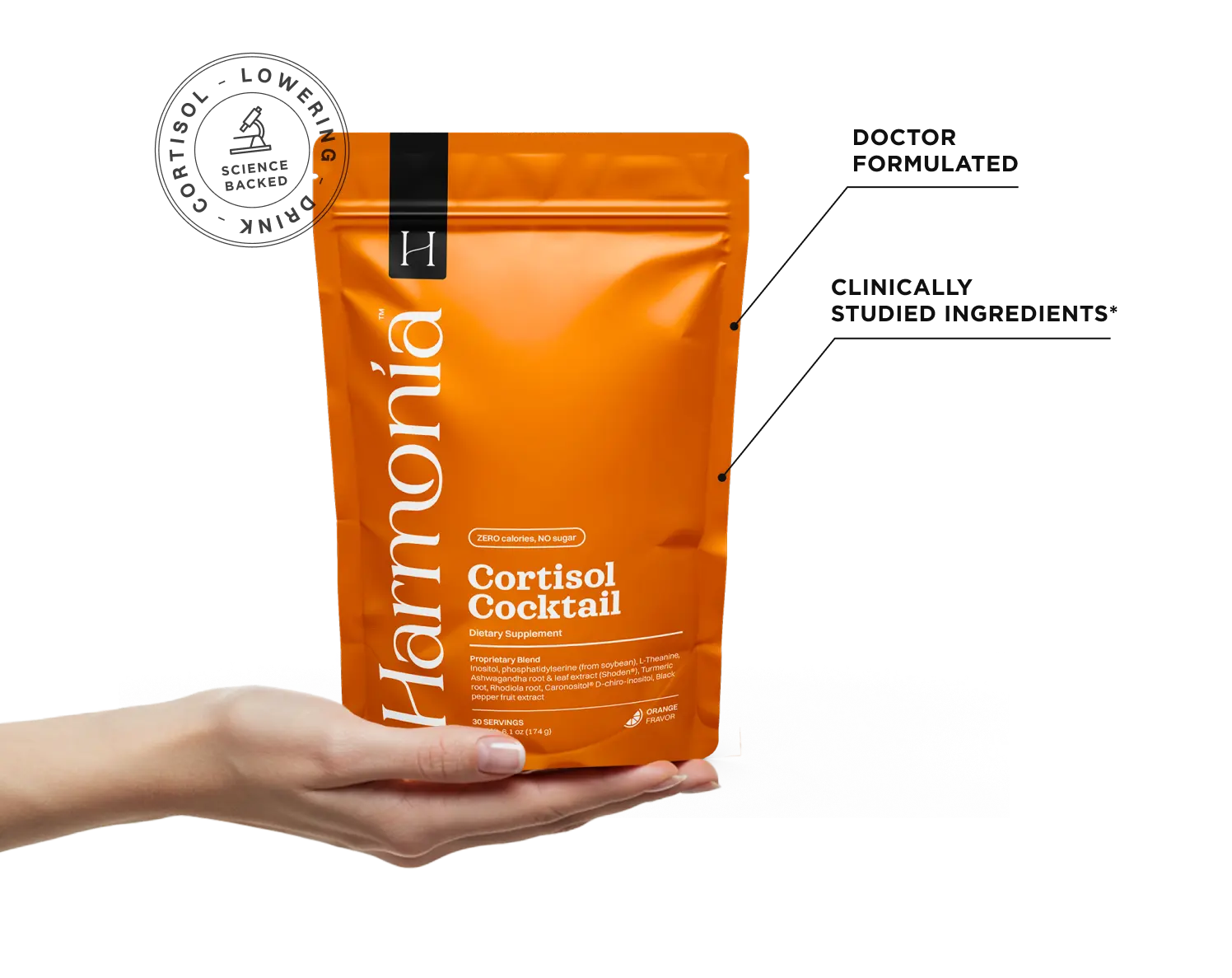
If you like the calming effects of green tea but prefer a caffeine-free option, the Harmonia cortisol cocktail is caffeine-free. It also contains L-theanine along with adaptogens like Ashwagandha and Rhodiola Rosea, plus key nutrients such as magnesium and inositol.
Does Green Tea Help With Stress?
When people reach for tea during a stressful day, they’re often seeking comfort - and science suggests green tea may support some stress-related outcomes.
The L-theanine in green tea has been shown to reduce subjective stress in some supplement studies and promote a calm but alert state of mind. Many people report feeling more centered and focused after drinking green tea, compared to the overstimulation they get from coffee. Most controlled L-theanine trials use isolated supplements rather than brewed tea.
In addition, the ritual of preparing tea itself - warming the water, steeping the leaves, and taking a mindful sip - creates a natural pause in the day. This mindful moment can lower stress all on its own.
For those who ask, “Is green tea good for stress?” the answer is cautious: it may reduce tension and support focus for some people, but current evidence does not show a guaranteed cortisol-lowering effect.
How to Use Green Tea for Stress and Cortisol Management

Green tea can be a powerful ally, but how you use it matters.
Best Time to Drink
Morning or early afternoon is ideal. Green tea contains caffeine, so drinking it too late may interfere with sleep, especially if you’re sensitive.
How Much to Drink
There is no established number of cups proven to lower cortisol in adults. The direct cortisol study used six cups of decaffeinated green tea per day, while a separate low-caffeine trial used at least 300 mL/day and measured a stress marker rather than cortisol.
Choosing the Right Type
- Matcha: Concentrated, powdered, and high in antioxidants. The evidence on how matcha affects cortisol deserves separate treatment.
- Sencha or other loose-leaf teas: Lighter but still effective.
- Decaffeinated green tea: For those who want stress support without caffeine. It is also the form used in the direct cortisol study.
Pairing With Lifestyle Habits
For best results, combine green tea with stress-reducing practices like:
- Deep breathing or meditation
- Daily exercise or gentle yoga
- A nutrient-dense diet that avoids processed sugars
- Consistent sleep routines
This holistic approach amplifies the stress-relieving benefits of green tea.
How does green tea compare with other teas for cortisol?
Green tea may be one of the best teas for stress, but it’s not the only option. If you’re comparing green tea with caffeine-free choices, how green tea compares with other teas for cortisol belongs in the broader tea comparison.
Best Teas for Cortisol Reduction
Green tea may be one of the best teas for stress, but it’s not the only option. Several herbal teas and adaptogenic blends are also known to support cortisol balance.
1. Green Tea
- Balances cortisol through L-theanine and antioxidants.
- Provides calm focus without the jitters.
2. Chamomile Tea
- Naturally caffeine-free.
- Known for its calming effect and ability to improve sleep quality.
- Reduces nighttime cortisol spikes.
3. Ashwagandha Tea
- Made from a powerful adaptogenic herb.
- Directly lowers cortisol in multiple studies.
- Helps regulate hormonal balance and resilience to stress.
4. Rooibos Tea
- A South African tea that’s naturally caffeine-free.
- Rich in antioxidants that may reduce stress-induced inflammation.
- Gentle on the nervous system and suitable for evening use.
If you’re wondering what tea lowers cortisol, the answer isn’t one single option. A variety of teas - including green tea - can help, and many people find benefits in rotating different teas throughout the week.
Conclusion
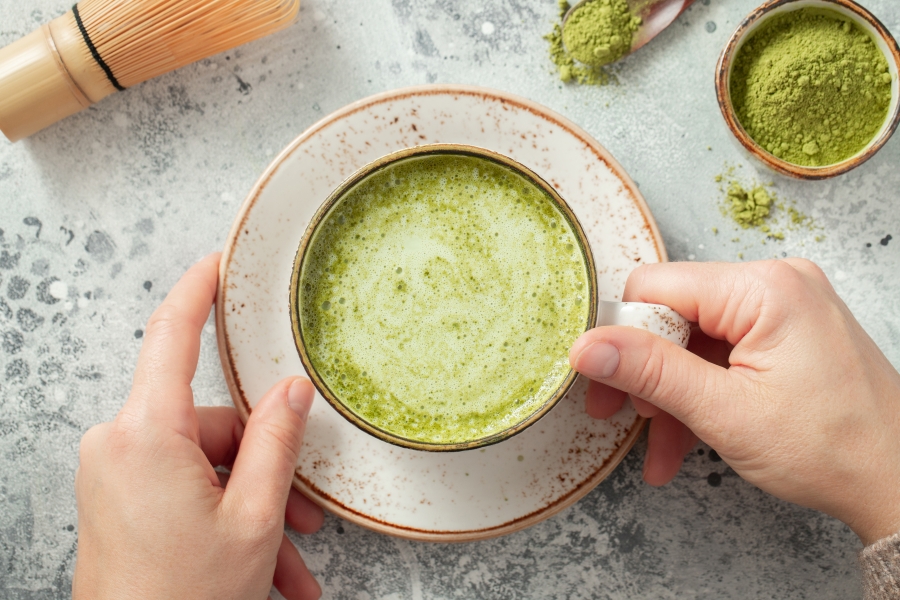
So, does green tea lower cortisol? The answer is qualified: green tea may lower cortisol in some settings, but the strongest direct human evidence used six cups/day of decaffeinated green tea for 6 weeks in 60 adolescents. Typical caffeinated green tea has not been shown to reliably lower cortisol in all adults.
But if you’re dealing with persistent high cortisol, poor sleep, or hormonal imbalances, tea is only one part of the picture. Sleep, caffeine timing, nutrition, and medical context can all matter.
If you want to see whether a caffeine-free cortisol-support formula fits your routine, you can take the Harmonia quiz to see whether the Cortisol Cocktail fits where you are right now.
FAQs
Does green tea raise cortisol?
Green tea can temporarily raise cortisol in some people because it contains caffeine. In a 96-person crossover trial, caffeine increased cortisol across the waking day and regular intake reduced, but did not eliminate, that response. The effect of green tea will depend on caffeine dose, timing, and sensitivity.
Does decaf green tea lower cortisol?
Limited human evidence suggests it may in some settings. The direct green-tea study used six cups of decaffeinated green tea daily for 6 weeks in 60 adolescents and found lower cortisol, but that result cannot be generalized to all adults or lower intakes.
How much green tea should you drink for cortisol?
There is no established green-tea dose proven to lower cortisol in adults. The direct cortisol study used six cups/day of decaffeinated green tea, while a separate low-caffeine trial used at least 300 mL/day and measured salivary alpha-amylase rather than cortisol.
References
- Almudhi, A., & Gabr, S. A. (2022). Green tea consumption and the management of adrenal stress hormones in adolescents who stutter. Biomedical Reports, 16(4), 32. Link
- Unno, K., Noda, S., Kawasaki, Y., Yamada, H., Morita, A., Iguchi, K., & Nakamura, Y. (2017). Reduced stress and improved sleep quality caused by green tea are associated with a reduced caffeine content. Nutrients, 9(7), 777. Link
- Lovallo, W. R., Whitsett, T. L., al’Absi, M., Sung, B. H., Vincent, A. S., & Wilson, M. F. (2005). Caffeine stimulation of cortisol secretion across the waking hours in relation to caffeine intake levels. Psychosomatic Medicine, 67(5), 734-739. Link
- Williams, J. L., Everett, J. M., D’Cunha, N. M., et al. (2020). The effects of green tea amino acid L-theanine consumption on the ability to manage stress and anxiety levels: A systematic review. Plant Foods for Human Nutrition, 75(1), 12-23. Link
- Gerolymos, C., Saddier, E., Boyer, L., & Fond, G. (2026). Cognitive and affective effects of L-theanine: A systematic review and meta-analysis of 31 randomized trials. Molecular Psychiatry. Advance online publication. Link
- Dietz, C., & Dekker, M. (2017). Effect of green tea phytochemicals on mood and cognition. Current Pharmaceutical Design, 23(19), 2876-2905. Link

_11zon.jpeg)
%20(1).jpeg)