Polycystic Ovary Syndrome (PCOS) influences hormones, metabolism, mood, cravings, sleep, and overall wellbeing. It’s also one of the most common hormonal conditions, affecting an estimated 5 million women of reproductive age in the United States.
In May 2026, a global consensus published in The Lancet adopted polyendocrine metabolic ovarian syndrome (PMOS) as the new name for PCOS. This article continues to use “PCOS” because the terminology is still in a transition period and PCOS remains the familiar search term.
Alongside nutrition and lifestyle changes, herbal teas have become a popular natural tool for supporting hormonal balance because they’re gentle, effective, and easy to incorporate into a daily routine.
Herbal teas help regulate key pathways commonly disrupted in PCOS-like inflammation, insulin sensitivity, stress, cortisol levels, and androgen excess. When used consistently, they can support more predictable cycles, calmer moods, clearer skin, smoother digestion, and better energy.
What is the best tea for PCOS?
Spearmint tea has the clearest direct human evidence among teas studied for PCOS, especially for androgen-related outcomes. In a 30-day randomized trial in Phytotherapy Research involving 42 women, twice-daily spearmint tea lowered free and total testosterone. Green tea also has a small PCOS evidence base for metabolic outcomes. Tea is best used alongside evidence-based PCOS care.
What to Look for in the Best Tea for PCOS
Not all teas support hormonal regulation. For PCOS, the most helpful teas have herbs that influence:
- Hormone Regulation: Some teas may affect androgen-related markers, but evidence for ovulation and broader “hormone balance” varies by tea and preparation.
- Insulin Sensitivity: Improved blood sugar stability often leads to fewer cravings, more steadiness throughout the day, and better hormonal balance.
- Inflammation Reduction: PCOS is associated with chronic low-grade inflammation, which can worsen pain, cravings, weight challenges, fatigue, and cycle issues.
- Stress and Cortisol Balance: Caffeine-free teas can fit a calming routine, but direct evidence that most herbal teas lower cortisol in PCOS is limited.
- Caffeine Management: Choosing low-caffeine or caffeine-free options helps support steadier energy and calmer hormonal rhythms.
Top 10 Best Teas for PCOS Hormone Support
.png)
1. Spearmint Tea
Spearmint tea is one of the most well-researched teas for PCOS. Benefits include:
- Natural anti-androgen action
- A small randomized trial found lower free and total testosterone and improved self-reported hirsutism, though objective hirsutism scores did not significantly improve over 30 days
- May be most relevant when androgen-related symptoms are a concern
- Caffeine-free
The trial used spearmint tea twice daily for 30 days, and longer-term clinical effects remain uncertain. The broader evidence on spearmint tea for PCOS covers dosing context and what the clinical trial did and did not show.
2. Green Tea
Green tea contains catechins, especially EGCG, which influence metabolism and hormone pathways. Additional benefits include:
- May support improved ovarian function
- Helps the body use insulin more efficiently
- Promotes fat oxidation
- Provides caffeine, so timing depends on your tolerance and sleep
A systematic review in Reproductive Biology and Endocrinology found human signals for weight, glucose, insulin, and testosterone outcomes with green tea extract. For women with insulin resistance, green tea can be an easy daily staple, but most PCOS research used extract rather than ordinary brewed tea, so the studied doses should not be assumed to match a cup of tea.
3. Cinnamon Tea

Cinnamon is one of the most studied herbs for blood sugar health. Benefits include:
- May reduce fasting insulin levels
- Supports reduced cravings between meals
- Helps stabilize post-meal blood sugar
- The clearest PCOS evidence is metabolic rather than a broad hormone-balancing effect
A Journal of Ethnopharmacology meta-analysis found lower fasting glucose, fasting insulin, and HOMA-IR with cinnamon supplementation in PCOS trials. Those trials used cinnamon interventions rather than brewed tea, so a cup of cinnamon tea should not be treated as an equivalent studied dose.
4. Ginger Tea
Ginger is warming and stimulates digestion. Additional benefits:
- Helps reduce nausea
- Supports reduced menstrual discomfort
- Contains anti-inflammatory compounds, though direct PCOS tea trials are limited
- Most human ginger research uses supplements rather than brewed tea
Ginger is a practical option for women experiencing bloating or inflammation-related symptoms. NCCIH notes that human ginger research supports some uses for nausea and menstrual cramps, while many studies test supplements rather than foods or tea.
5. Peppermint Tea for PCOS
Peppermint is soothing and helps reduce tension held in the digestive tract. Additional benefits include:
- Supports gut motility
- Reduces gas, bloating, and discomfort after meals
- Helps relax the nervous system
- Direct PCOS-specific human evidence for peppermint tea is limited
It’s refreshing, calming, and pairs well with relaxation routines. NCCIH reports that most digestive research has focused on peppermint oil, while very little research has been done on peppermint leaf itself.
6. Chamomile Tea
Chamomile tea supports sleep and emotional balance. Some benefits include:
- May support sleep depth and duration
- Can be useful when evening caffeine worsens sleep
- Supports serotonin pathways
- Direct PCOS-specific evidence is limited, including for cortisol-related outcomes
It’s an excellent option for women who struggle with “tired but wired” feelings at night.
7. Nettle Leaf Tea
Nettle leaf tea is caffeine-free, but direct human PCOS evidence is limited:
- Provides some plant-based iron, though the amount in brewed tea varies
- Contains magnesium, though amounts in brewed tea vary
- Direct evidence for blood sugar stability or hormone effects in PCOS is limited
- “Liver detox” claims for hormone balance are not established
- Reduces inflammatory responses
Nettle is best treated as an optional herbal tea rather than a proven PCOS therapy; direct human evidence for these effects is limited.
8. Turmeric Tea

Turmeric supports metabolic and inflammatory health. Other benefits include:
- Helps regulate lipid metabolism
- Supports joint health
- Reduces oxidative stress
- Encourages improved insulin signaling
Black pepper can increase curcumin absorption. A systematic review in Reproductive Sciences evaluated curcumin interventions in PCOS, but these studies used concentrated curcumin preparations rather than brewed turmeric tea.
9. Rooibos Tea
Rooibos is caffeine-free and rich in antioxidants. Additional benefits include:
- Offers a caffeine-free alternative to green or black tea
- Reduces oxidative stress tied to hormonal imbalance
- Helps stabilize energy and mood
- Supports cardiovascular wellbeing
Its smooth flavor makes it enjoyable hot or iced. Direct PCOS-specific human evidence is limited, so rooibos is best framed as a caffeine-free beverage choice rather than a cortisol-balancing treatment.
10. Lemon Balm Tea
Lemon balm is one of the best herbs for calming the nervous system:
- Helps reduce anxious thoughts
- Supports more predictable sleep cycles
- Is caffeine-free and easy to use in an evening routine
- May support digestion by calming the gut-brain axis
Direct PCOS-specific hormone and cortisol effects have not been established.
What about raspberry leaf, dandelion, and hibiscus tea for PCOS?
Raspberry leaf, dandelion, and hibiscus are popular searches for PCOS tea, but they have much less direct human PCOS evidence than spearmint or green tea. A 2024 Clinical Nutrition Research meta-analysis included six randomized herbal-tea trials involving green tea, spearmint, and marjoram, rather than these three teas.
You can still drink them for taste or as caffeine-free options if they suit you, but there is not enough PCOS-specific evidence to rank them above teas with direct clinical research.
How These Teas Support PCOS Symptoms
Herbal teas support PCOS through multiple pathways:
The strength of evidence differs by tea and preparation, and several ingredient studies use supplements or extracts rather than brewed tea.
- Hormonal Regulation: Spearmint has direct tea evidence for lower free and total testosterone in a small PCOS trial; green tea evidence is less direct for androgen outcomes.
- Metabolic Balance: Cinnamon, green tea, and turmeric encourage steadier blood sugar, which directly influences hormone production.
- Inflammation Support: Ginger, turmeric, nettle, and rooibos help reduce inflammatory patterns common in PCOS.
- Cortisol & Stress Regulation: Chamomile, lemon balm, rooibos, and peppermint are caffeine-free options that can fit calming routines, but PCOS-specific cortisol-lowering evidence is limited.
Best Time of Day to Drink Tea for PCOS
Choosing the right timing can affect the benefits of each tea, mainly through caffeine, digestion, and your sleep routine:
Morning
Best teas: Green tea, cinnamon tea, ginger tea
Why:
- Green tea can provide gentle caffeine if you tolerate it well
- Support morning blood sugar stability
- Provide gentle energy without heavy caffeine
- Timing itself has not been shown to improve hormonal balance in PCOS
Tip: Pairing a morning tea with a balanced breakfast provides more stable energy throughout the day.
Midday
Best teas: Spearmint, green tea, rooibos
Why:
- Helps control midday cravings
- Green tea can provide a modest caffeine lift
- Supports focus and energy
- Rooibos is useful when you want tea without more caffeine
Tip: If cravings spike between 2-4 PM, cinnamon tea can be especially helpful.
Evening
Best teas: Chamomile, lemon balm, peppermint, rooibos
Why:
- These options are naturally caffeine-free
- Improve relaxation and sleep
- Can replace caffeinated tea later in the day
- Promote calmer moods
How to Combine Teas for PCOS Safely
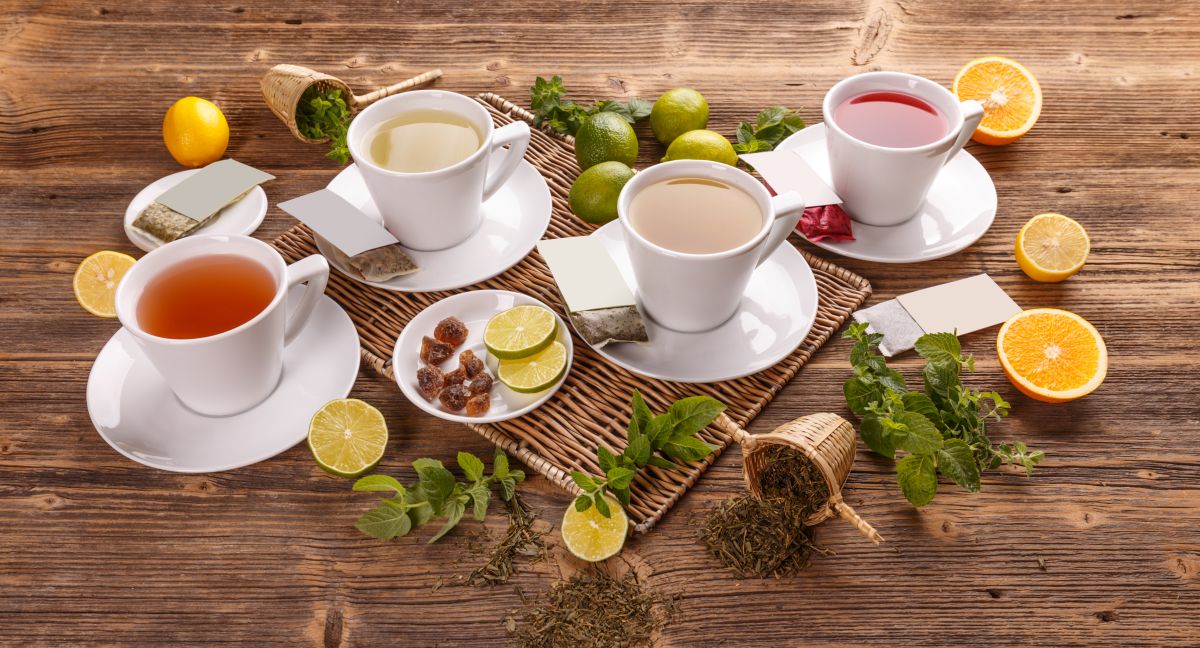
You can combine teas based on taste, caffeine preferences, and the symptom you want to make more comfortable. Clinical trials have not established that combining several teas produces stronger PCOS effects.
- For acne & high androgens: Spearmint + Green tea
- For cravings & insulin resistance: Cinnamon + Turmeric + Green tea
- For bloating & digestive issues: Peppermint + Ginger
- For inflammation & fatigue: Turmeric + Nettle + Ginger
- For anxiety, stress & sleep: Chamomile + Lemon balm + Rooibos
How to Choose the Best Tea for Your PCOS Symptoms
PCOS presents differently from woman to woman. The groupings below are practical symptom-based ways to choose a tea, not formal PCOS phenotypes. The international evidence-based PCOS guideline describes diagnostic features such as hyperandrogenism, ovulatory dysfunction, and polycystic ovarian morphology.
If insulin resistance is a concern
Common signs:
- Cravings
- Afternoon fatigue
- Weight changes
- Blood sugar swings
- Acanthosis nigricans (darkening of skin folds)
Best teas:
- Cinnamon: May support insulin-resistance markers in supplement studies
- Turmeric: Curcumin supplement trials report some metabolic effects
- Green tea: Supports metabolic health
- Ginger: Reduces inflammation tied to insulin resistance
These teas can fit alongside nutrition, activity, and medical strategies for insulin resistance. If weight is part of the picture, losing weight with PCOS involves more than beverage choice, especially insulin resistance, food intake, activity, and sleep.
If androgen-related symptoms are the main concern
Androgen-Dominant PCOS
Common signs:
- Acne
- Facial hair growth
- Hair thinning
- Irregular cycles
Best teas:
- Spearmint: Reduces androgen activity
- Green tea: Supports hormone regulation
Spearmint has the strongest direct tea evidence in this group. Persistent acne, hirsutism, hair loss, or irregular cycles still deserve medical evaluation.
If inflammation-related symptoms are a concern
Common signs:
- Chronic fatigue
- Body aches
- Skin inflammation
- Digestive challenges
- Elevated inflammatory markers
Best teas:
- Turmeric: Curcumin has anti-inflammatory research, mainly in supplement form
- Nettle: Supports nutrient balance
- Ginger: Reduces inflammatory stress
- Rooibos: Antioxidant-rich
These teas can be chosen for taste and general dietary support, but direct evidence that they change inflammatory PCOS outcomes is limited.
If stress or sleep is a concern
Common signs:
- High stress levels
- Feeling “wired but tired”
- Midday crashes
- Poor sleep
- Anxiety or irritability
- Cortisol-driven cravings
Best teas:
- Chamomile: Supports deeper relaxation
- Lemon balm: Calms the nervous system
- Peppermint: Reduces stress tension
- Rooibos: Caffeine-free
Stress can interact with sleep, eating patterns, and PCOS symptoms, but it should not be treated as a stand-alone PCOS subtype. Current evidence on stress and PCOS is separate from the well-documented relationship between PCOS and anxiety.
When to Be Careful With Herbal Tea for PCOS
Herbal tea can look low-risk because it is familiar, but concentrated extracts, medicinal-dose products, and multi-herb blends can behave differently from an ordinary cup of tea.
- If you are pregnant, breastfeeding, or trying to conceive, check with your clinician before using medicinal amounts of herbs or concentrated extracts.
- If you take prescription or over-the-counter medicines, ask about herb-drug interactions, especially when using concentrated products.
- Green tea contains caffeine, and concentrated green tea extracts have a different safety profile from brewed tea.
- If tea is being used to manage persistent PCOS symptoms, keep medical care in the picture rather than using tea as the only strategy.
Where Harmonia Fits
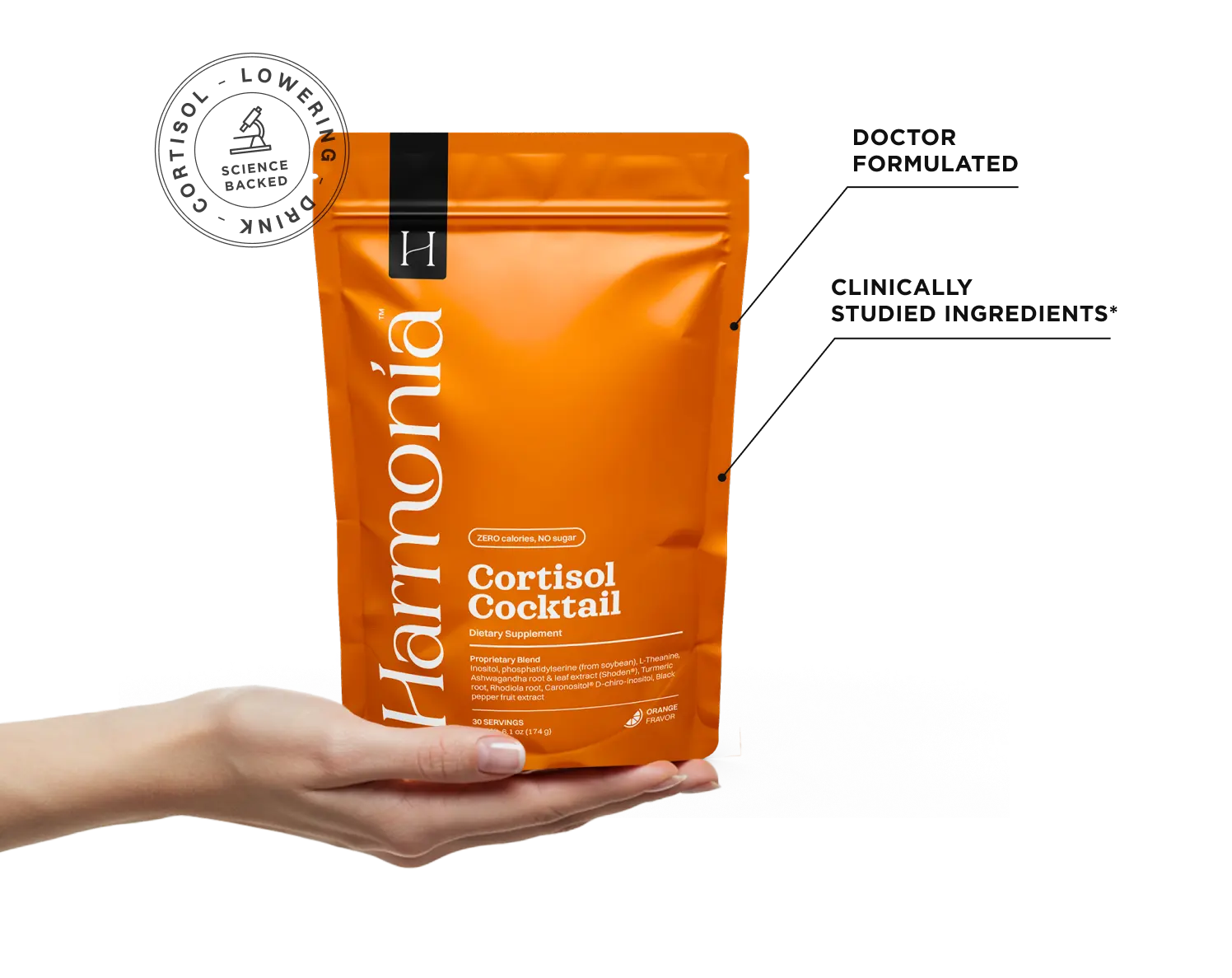
Harmonia can be a simple way to build additional hormone and stress support into your daily routine. Its formula includes myo-inositol and D-chiro-inositol, ingredients that are especially relevant for women exploring nutritional support alongside their PCOS care. The 2023 international PCOS guideline notes that inositol can be considered based on individual preferences, while also recognizing that research is still developing around specific types, doses, and clinical benefits.
Rather than replacing your favorite teas or existing lifestyle habits, the Harmonia Cortisol Cocktail is designed to fit alongside them as an easy, caffeine-free addition to a broader wellness routine. If stress, sleep, cravings, or feeling more balanced throughout the day are priorities for you, Harmonia offers a convenient way to bring multiple supportive ingredients together in one daily drink.
The finished Harmonia formula has not been established as a treatment for PCOS, so its benefits should be considered alongside appropriate medical care. But for women looking for a practical, enjoyable way to support their broader hormone and stress-management routine, Harmonia may be worth exploring.
The Bottom Line on the Best Tea for PCOS

Spearmint has the clearest direct tea evidence for androgen-related outcomes in PCOS. Green tea has a smaller evidence base for metabolic outcomes, while cinnamon and curcumin research comes mainly from supplements or extracts rather than brewed tea. Many other popular herbal teas are best treated as caffeine-free routine choices with limited direct PCOS data.
If stress, sleep, or cravings are the part of your routine you are trying to support, the Harmonia quiz can help you decide whether the Cortisol Cocktail may be a fit for you.
References
- Heydarpour, F., Hemati, N., Hadi, A., Moradi, S., Mohammadi, E., & Farzaei, M. H. (2020). Effects of cinnamon on controlling metabolic parameters of polycystic ovary syndrome: A systematic review and meta-analysis. Journal of ethnopharmacology, 254, 112741. Link
- Novakovic, S., Jakovljevic, V., Jovic, N., Andric, K., Milinkovic, M., & Anicic, T. Exploring the antioxidative effects of ginger and cinnamon: a comprehensive review of evidence and molecular mechanisms involved in polycystic ovary syndrome (PCOS) and other oxidative stress-related disorders. Antioxidants 2024 13 392. Link
- Maleki, V., Taheri, E., Varshosaz, P., Tabrizi, F. P. F., Moludi, J., Jafari-Vayghan, H., ... & Alizadeh, M. (2021). A comprehensive insight into effects of green tea extract in polycystic ovary syndrome: a systematic review. Reproductive Biology and Endocrinology, 19(1), 147. Link
- Shojaei-Zarghani, S., Molani-Gol, R., & Rafraf, M. (2022). Curcumin and polycystic ovary syndrome: A systematic review. Reproductive Sciences, 29(8), 2105-2118. Link
- Shukla, A., Rasquin, L. I., & Anastasopoulou, C. (2025). Polycystic ovarian Syndrome. StatPearls - NCBI Bookshelf. Link
- Zukri, N. F., Nordin, N., & Azzeri, A. (2025). EFFECTS OF HERBAL TEAS ON POLYCYSTIC OVARY SYNDROME (PCOS): A LITERATURE REVIEW. Biomedika, 93-107. Link
- Teede, H. J., Bahri Khomami, M., Morman, R., et al. (2026). Polyendocrine metabolic ovarian syndrome, the new name for polycystic ovary syndrome: a multistep global consensus process. The Lancet, 407(10545), 2329-2339. Link
- Grant, P. (2010). Spearmint herbal tea has significant anti-androgen effects in polycystic ovarian syndrome. A randomized controlled trial. Phytotherapy Research, 24(2), 186-188. Link
- Abbasi, E., Hajhashemy, Z., Askari, G., & Saneei, P. (2024). Association of Herbal Tea and Follicle-Stimulating Hormone, Anthropometric Parameters, and Fasting Blood Glucose Levels Among Polycystic Ovarian Syndrome Women: A Systematic Review and Meta-Analysis of Clinical Trials. Clinical Nutrition Research, 13(3), 201-213. Link
- Teede, H. J., Tay, C. T., Laven, J. S. E., et al. (2023). International Evidence-based Guideline for the Assessment and Management of Polycystic Ovary Syndrome 2023. Monash Centre for Health Research and Implementation. Link
- National Center for Complementary and Integrative Health. (2025). Ginger: Usefulness and Safety. Link
- National Center for Complementary and Integrative Health. (2026). Peppermint Oil: Usefulness and Safety. Link
- National Center for Complementary and Integrative Health. (2026). Herb-Drug Interactions: What the Science Says. Link

_11zon.jpeg)
%20(1).jpeg)