The adrenal glands are small organs that sit on top of your kidneys. They play a major role in producing hormones like cortisol, adrenaline, and aldosterone, which regulate your stress response, energy levels, blood pressure, and more.
One of the most effective ways to begin healing is by paying close attention to what you eat. Certain foods can worsen stress on your adrenal glands, while others can help restore balance.
If you’re wondering about the adrenal fatigue foods to avoid, this guide will walk you through the most harmful dietary culprits - and what to eat instead for adrenal support.
What Is Adrenal Fatigue?
Adrenal fatigue is a term often used to describe a collection of symptoms related to prolonged stress and dysregulated cortisol levels. While not an official medical diagnosis, many people experience signs such as exhaustion, mood swings, brain fog, sleep disturbances, and cravings. Those symptoms do not show that the adrenal glands are overworked, and the Endocrine Society says there is no scientific proof that adrenal fatigue is a true medical condition.
Adrenal insufficiency is a separate, recognized endocrine disorder in which the body does not make enough cortisol, and sometimes aldosterone. Persistent fatigue with unexplained weight loss, low blood pressure, nausea, fainting, or marked weakness deserves medical evaluation.
Symptoms of Adrenal Fatigue

When your body is under constant stress, the HPA axis coordinates hormonal responses that include cortisol. Chronic stress can also affect sleep, appetite, mood, and energy without exhausting the adrenal glands.
The tricky part? These symptoms are often subtle at first - you might dismiss them as just being “stressed” or “tired.” Because they overlap with many other conditions, persistent or worsening symptoms deserve a proper medical evaluation.
Here are some of the most common signs that your adrenal glands may be under strain:
- Persistent tiredness: Feeling exhausted even after a full night’s sleep.
- Brain fog and poor concentration: Difficulty staying focused or sharp.
- Sleep disturbances: Trouble falling asleep, waking up during the night, or waking unrefreshed.
- Cravings: Especially for salty or sweet foods due to cortisol and blood sugar imbalances.
- Mood swings: Irritability, anxiety, or feeling emotionally “on edge.”
- Weakened stress response: Feeling overwhelmed by situations that normally wouldn’t bother you.
- Hormonal imbalances: Irregular menstrual cycles, PMS, or worsening menopausal symptoms.
- Low immunity: Frequent colds or infections due to weakened defenses.
List of Adrenal Fatigue Foods to Avoid
If you use “adrenal fatigue” to describe stress-linked fatigue, the foods most worth limiting are excess caffeine and energy drinks, high-added-sugar foods, alcohol near bedtime, frequent ultra-processed foods, refined carbohydrates eaten without much protein or fiber, and heavily fried foods. These choices can worsen sleep, energy swings, or overall diet quality.
1. Caffeine and Energy Drinks
Caffeine is often the first thing people reach for when feeling fatigued. While it provides a temporary boost, caffeine can temporarily increase cortisol in some people. A double-blind crossover trial in 96 adults found that repeated caffeine doses increased cortisol, although habitual users developed partial tolerance.
Energy drinks are especially harmful, as they often combine high caffeine levels with sugar and artificial additives. Caffeine can also disrupt sleep when dose or timing is poorly matched to your bedtime. The broader evidence on explains why timing and habitual use matter.
2. Refined Sugar and Sweets
Sugar is one of the most damaging adrenal fatigue foods. Consuming candy, pastries, desserts, or sweetened beverages spikes blood glucose levels rapidly. Insulin helps bring glucose back down, while cortisol generally increases glucose availability during stress.
This constant rollercoaster taxes the adrenal glands and leaves you trapped in a cycle of cravings, irritability, and energy crashes. Long-term, excess sugar worsens inflammation, disrupts sleep, and contributes to hormonal imbalances.
3. Processed and Packaged Foods
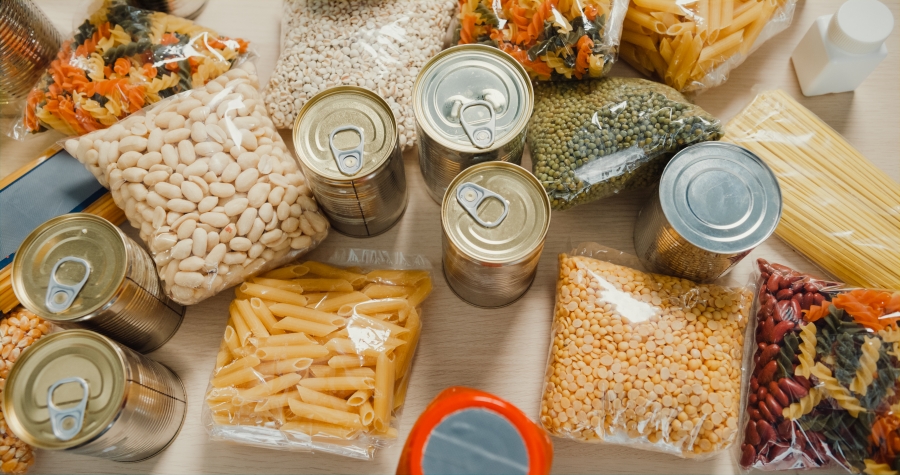
Highly processed foods - such as frozen dinners, chips, crackers, or packaged snacks - are stripped of nutrients and often loaded with preservatives, unhealthy fats, and refined carbs. They offer little real nourishment while demanding more work from your digestive and metabolic systems.
For someone with adrenal fatigue, processed foods add to inflammation, nutrient depletion, and weight fluctuations, making it harder for the body to stabilize hormones and energy. A 2024 BMJ umbrella review linked greater ultra-processed food exposure with several adverse cardiometabolic and mental-health outcomes, while much of the underlying evidence was rated low or very low certainty.
4. Alcohol
Alcohol may feel relaxing in the moment, but it disrupts your body on multiple levels. It interferes with quality sleep, spikes blood sugar, and burdens the liver, which plays a role in hormone regulation.
Regular alcohol consumption can make adrenal fatigue symptoms worse by heightening fatigue, intensifying mood swings, and further destabilizing cortisol rhythms. A 2025 systematic review and meta-analysis of 27 studies found that alcohol reduced REM sleep, with larger doses producing greater disruption.
5. Refined Carbohydrates (White Bread, Pasta, Pastries)
Like sugar, refined carbohydrates break down quickly into glucose, spiking blood sugar and demanding more cortisol to stabilize energy levels. Foods like white bread, pasta, and pastries give a quick burst of fuel but lack fiber, vitamins, and minerals.
For adrenal health, this frequent blood sugar instability is exhausting. It forces your adrenal glands into overdrive while depriving your body of the steady energy it needs.
6. Fried and Greasy Foods
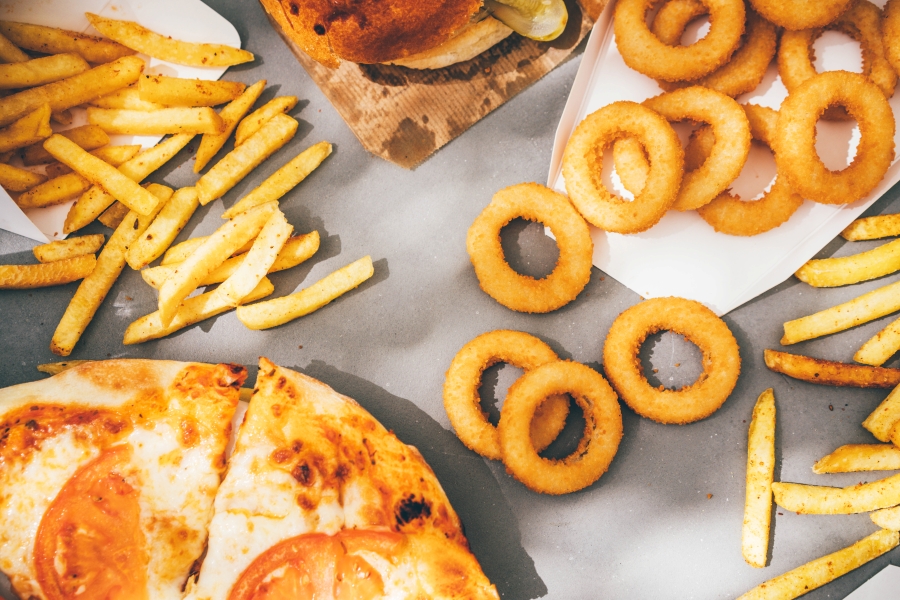
Fried foods - such as fast food, chips, and fried meats - are high in trans fats and inflammatory oils. They slow down digestion, increase oxidative stress, and can leave you sluggish.
For adrenal fatigue sufferers, fried foods add unnecessary burden to the body’s recovery process. Instead of providing clean energy, they promote fatigue, bloating, and long-term inflammation that worsens hormonal imbalance.
7. Excess Salt from Processed Foods
While natural, mineral-rich salt can actually support adrenal health, the problem lies in the excessive sodium found in packaged, processed, and fast foods. These foods lack potassium and magnesium, creating electrolyte imbalances that further strain adrenal function.
This imbalance can increase blood pressure, lead to fluid retention, and worsen fatigue and brain fog - exactly what you’re trying to avoid during adrenal recovery.
8. Artificial Sweeteners
Marketed as “healthier alternatives” to sugar, artificial sweeteners like aspartame and sucralose can confuse your body’s signaling. They may increase sugar cravings, disrupt gut health, and interfere with insulin sensitivity.
For people with adrenal fatigue, this adds another layer of stress to the system. Artificial sweeteners don’t provide the steady energy your body needs, leaving you more vulnerable to cravings and hormonal fluctuations.

Foods That Support Adrenal Health
Avoiding harmful foods is only half the battle. To truly recover from adrenal fatigue and support balanced cortisol levels, it’s essential to give your body the nutrients it craves.
Eating for adrenal fatigue means choosing foods that stabilize blood sugar, reduce inflammation, and supply steady energy throughout the day. A fuller adrenal fatigue diet framework also considers meal timing, enough total food, and protein at breakfast.
Whole Foods for Adrenal Health
- Leafy Greens (Spinach, Kale, Swiss Chard): Packed with magnesium, calcium, and antioxidants, leafy greens calm the nervous system and reduce oxidative stress, which can damage the adrenal glands.
- Fatty Fish (Salmon, Sardines, Mackerel): Rich in omega-3 fatty acids, these foods fight inflammation, improve brain function, and help regulate mood - all crucial when stress is high.
- Nuts and Seeds (Almonds, Walnuts, Pumpkin Seeds, Chia Seeds): Provide healthy fats, protein, and minerals like magnesium and zinc that support steady energy and hormone regulation.
- Avocados: Loaded with potassium and healthy monounsaturated fats, avocados help stabilize blood sugar and support cardiovascular and adrenal health.
- Berries (Blueberries, Strawberries, Raspberries): High in antioxidants, berries fight oxidative stress and support immune function, which can become weakened when cortisol is imbalanced.
- Lean Proteins (Chicken, Turkey, Eggs, Legumes): Provide amino acids for energy production and repair, helping to prevent the blood sugar crashes that strain adrenal glands.
- Complex Carbohydrates (Quinoa, Brown Rice, Sweet Potatoes): Offer slow-releasing energy that avoids glucose spikes and supports long-term stamina.
The broader evidence on how foods can influence cortisol patterns also points back to overall diet quality and meal patterns.
Beyond Food: Smart Solutions for Adrenal Support
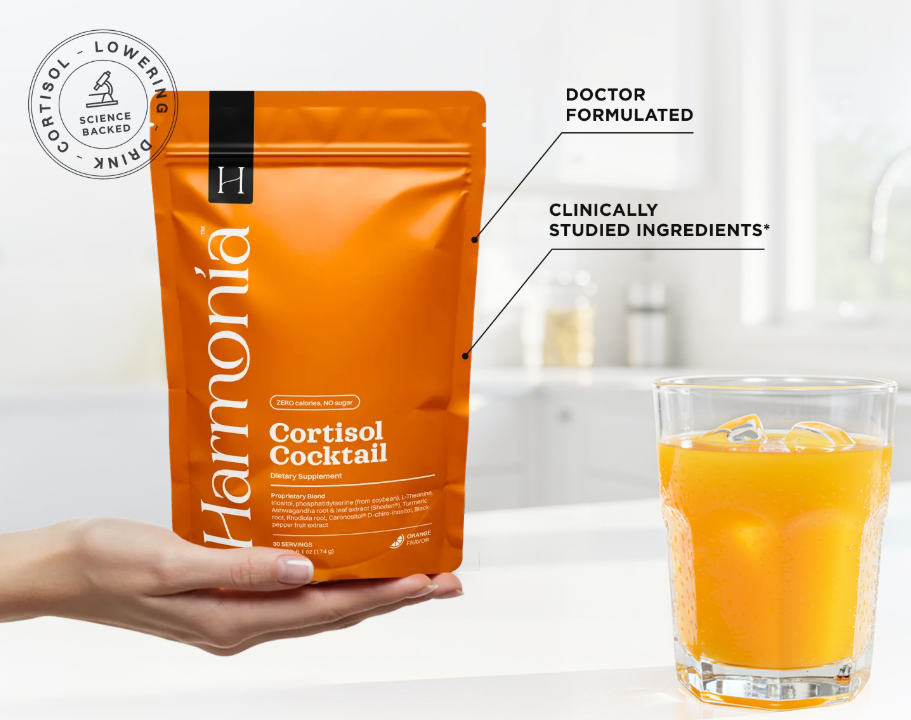
While a nourishing diet is the foundation of adrenal recovery, modern living makes it difficult to consistently get the right balance of nutrients. That’s where targeted formulations can help.
The Harmonia Cortisol Cocktail was designed as a simple daily ritual for general stress support. It combines KSM-66 Ashwagandha, Rhodiola Rosea, L-Theanine, Inositols, magnesium, and key vitamins and minerals in a caffeine-free, zero-sugar format.
These ingredients have been studied individually for stress-related, sleep, or metabolic outcomes, but ingredient studies do not establish the effect of the finished formula.
By combining these ingredients into a refreshing, zero-calorie drink, Harmonia offers a simple daily supplement format that can sit alongside regular meals, sleep, movement, and other stress-management habits.
Conclusion
Recovering from adrenal fatigue requires both removing harmful triggers and providing your body with the right support.
By avoiding foods like caffeine, sugar, processed snacks, and fried foods - and instead choosing whole, nutrient-dense meals - you can give your adrenal glands the break they need to heal.
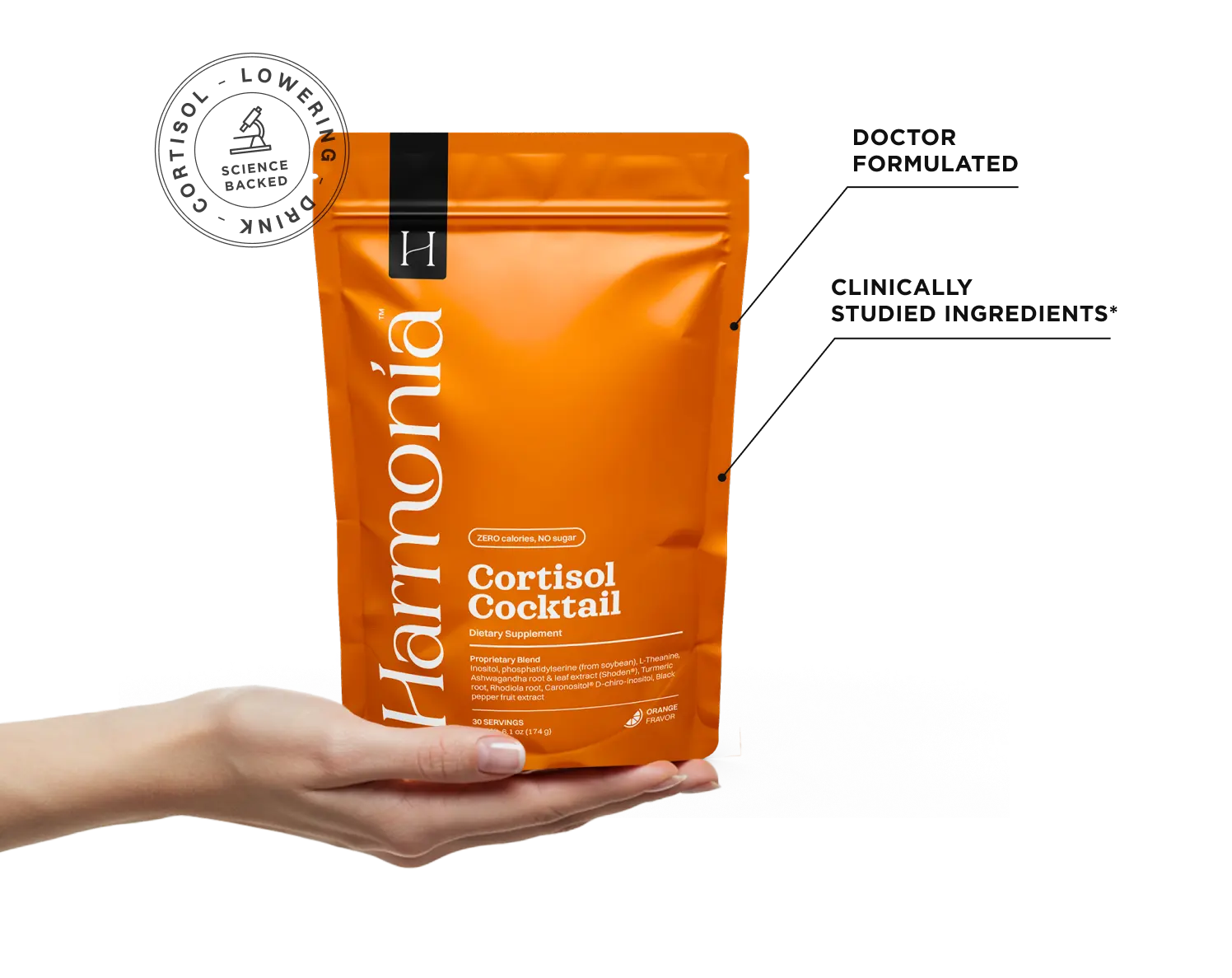
The Harmonia Cortisol Cocktail offers a practical way to integrate several commonly studied stress-support ingredients into a caffeine-free routine. With its blend of adaptogens, vitamins, and minerals, it provides a simple supplement format for general wellness.
If you want to see whether Harmonia fits your routine, you can take the Harmonia quiz to see whether the Cortisol Cocktail fits where you are right now.
FAQs
Does caffeine cause adrenal fatigue?
Adrenal fatigue is not a recognized medical diagnosis, so caffeine has not been shown to cause it. Caffeine can temporarily raise cortisol and can disrupt sleep, especially when dose and timing do not suit you.
Are eggs bad for adrenal fatigue?
No. Eggs are not considered an adrenal fatigue food to avoid. They provide protein, fat, choline, and several micronutrients, and they can fit a balanced breakfast unless you have an allergy, intolerance, or another reason to avoid them.
What is a good breakfast for adrenal fatigue?
A useful breakfast combines protein with a fiber-rich carbohydrate and some fat so the meal is filling and easier to sustain. Eggs with whole-grain toast and fruit, or Greek yogurt with oats, berries, and nuts, are simple examples.
References
- Paramasivam, A., Murugan, R., Jeraud, M., Dakkumadugula, A., Periyasamy, R., & Arjunan, S. (2024). Additives in processed foods as a potential source of endocrine-disrupting chemicals: a review. Journal of xenobiotics, 14(4), 1697-1710. Link.
- Ariffin, H., Chong, X. Q., Chong, P. N., & Okechukwu, P. N. (2022). Is the consumption of energy drink beneficial or detrimental to health: a comprehensive review?. Bulletin of the National Research Centre, 46(1), 163. Link.
- Endocrine Society. (2022). Adrenal fatigue. Link
- National Institute of Diabetes and Digestive and Kidney Diseases. Adrenal insufficiency & Addison’s disease. Link
- Lovallo, W. R., Whitsett, T. L., al'Absi, M., Sung, B. H., Vincent, A. S., & Wilson, M. F. (2005). Caffeine stimulation of cortisol secretion across the waking hours in relation to caffeine intake levels. Psychosomatic Medicine, 67(5), 734-739. Link
- Gardiner, C., Weakley, J., Burke, L. M., Roach, G. D., Sargent, C., Maniar, N., Townshend, A., & Halson, S. L. (2023). The effect of caffeine on subsequent sleep: A systematic review and meta-analysis. Sleep Medicine Reviews, 69, 101764. Link
- Kaur, J., Gandhi, J., & Sharma, S. (2025). Physiology, Cortisol. StatPearls. Link
- Lane, M. M., Gamage, E., Du, S., et al. (2024). Ultra-processed food exposure and adverse health outcomes: umbrella review of epidemiological meta-analyses. BMJ, 384, e077310. Link
- Gardiner, C., Weakley, J., Burke, L. M., et al. (2025). The effect of alcohol on subsequent sleep in healthy adults: A systematic review and meta-analysis. Sleep Medicine Reviews, 80, 102030. Link

_11zon.jpeg)
%20(1).jpeg)