In contemporary life, stress has become a daily companion for many of us. But the hidden cost is often an overstimulated adrenal system and elevated cortisol, the body’s main stress hormone.
When cortisol stays high for too long, it changes the way we store fat, manage energy, and even regulate hormones. This often results in the adrenal belly: stubborn fat that collects around the midsection, despite healthy habits.
The good news? With the right knowledge and tools, you can rebalance your system, reduce adrenal belly fat, and reclaim your energy. This guide explores the signs, causes, and solutions for the adrenal body type.
Is the adrenal body type real?
The adrenal body type is a wellness term. Clinicians do not use it as a recognized endocrine diagnosis. People use it to describe abdominal weight gain alongside fatigue, poor sleep, cravings, or ongoing stress, but body shape alone cannot tell you whether cortisol is high or whether your adrenal glands are impaired.
What Is the Adrenal Body Type?
The adrenal body type refers to a pattern of weight gain and symptoms linked to adrenal gland dysfunction and cortisol imbalances. Your adrenal glands, small but powerful organs that sit above the kidneys, regulate stress responses, energy, and metabolism. When stress becomes chronic, the HPA axis can alter cortisol regulation; this does not mean the adrenal glands are failing.
Over time, this leads to fat storage around the belly - often called adrenal belly fat or adrenal stress belly fat. Unlike other body types, where fat may spread evenly or concentrate in the hips and thighs, the adrenal body type is marked by a thicker waistline and rounder midsection, sometimes described as the adrenal belly shape.
Many holistic practitioners have discussed the adrenal body type in relation to adrenal fatigue, hormone imbalance, and stress management. While not an official medical diagnosis, it’s a helpful framework for understanding why traditional dieting and exercise may not work for certain people.The Endocrine Society reports that the closely related idea of adrenal fatigue has no scientific proof as a medical condition, and the broader evidence around adrenal fatigue and its overlapping symptoms shows why persistent fatigue deserves a wider evaluation.
Signs and Symptoms of the Adrenal Body Type

The adrenal body type shows up in ways that are more than just physical. Common signs include:
- Adrenal belly fat: Stubborn fat concentrated in the abdomen, often resistant to calorie restriction or intense exercise.
- Puffiness or tired-looking skin: Puffiness, dark circles under the eyes, and tired-looking skin can travel with poor sleep or stress, but they do not identify an adrenal disorder.
- Unexplained weight gain: Even when eating healthy and exercising.
- Mood swings and irritability: Stress and poor sleep can affect mood, but this symptom is not specific to cortisol.
- Fatigue and brain fog: Feeling drained during the day but restless at night.
- Hormonal changes: In women, irregular cycles can occur alongside stress, while PCOS and thyroid disorders are separate conditions that can also affect weight and energy.
These signs are nonspecific, and PCOS or thyroid disease should be evaluated as separate conditions. The NIDDK lists recognized symptoms of prolonged cortisol excess in Cushing’s syndrome, including easy bruising, muscle weakness, and wide purple stretch marks.
Causes of the Adrenal Body Type
The adrenal body type doesn’t happen overnight - it develops from long-term stress on your adrenal glands and metabolism.
- Chronic stress and high cortisol: A possible contributor to adrenal stress fat. Stress hormones can influence appetite, glucose regulation, and fat distribution. A 2017 meta-analysis found higher hair cortisol tracked higher BMI and waist-to-hip ratio across studies.
- Poor sleep: Disrupted circadian rhythms worsen cortisol balance, leading to more cravings and weight gain.
- Diet choices: High sugar, refined carbs, caffeine, and alcohol all spike cortisol and insulin.
- Hormonal imbalances: Thyroid disorders, PCOS, or menopause can combine with adrenal stress to worsen belly fat. This is sometimes described as the adrenal fatigue thyroid belly shape.
- Sedentary lifestyle: Too little activity reduces insulin sensitivity and increases fat storage.
When these factors compound, they create a vicious cycle where stress leads to more fat storage, which then increases stress on the body.
Adrenal Body Type and Cortisol Connection
At the heart of the adrenal body type is cortisol, the hormone released during stress. Short bursts of cortisol are healthy - they give us energy to respond to challenges. But when cortisol is constantly elevated, it changes how our body uses energy.
Sustained high cortisol can encourage the storage of fat, particularly around the abdomen. In true cortisol excess, it can also break down muscle tissue for quick energy, contributing to weaker muscles and metabolic changes. Cushing's syndrome is the clearest clinical example: prolonged high cortisol can cause weight gain and characteristic fat redistribution.
Outside Cushing's syndrome, the relationship is less direct. A meta-analysis of 66 studies with 10,289 participants found higher hair cortisol was associated with BMI and waist-to-hip ratio, but that observational relationship does not show that everyday stress alone causes adrenal belly fat.
Diet for the Adrenal Body Type

Food is one of the most powerful tools for rebalancing your adrenal system. The right diet can stabilize blood sugar and support sustainable weight-management habits. The evidence on foods that lower and raise cortisol gives useful context for individual foods.
Best Diet for Adrenal Body Type
- Focus on whole foods: lean proteins, healthy fats, fiber-rich vegetables, and slow-digesting carbs.
- Prioritize protein and healthy fats for satiety and stable energy.
- Incorporate adaptogen-rich foods and anti-inflammatory spices like turmeric.
- Stay hydrated - dehydration can elevate cortisol levels.
Foods to Avoid
- Refined sugar: Spikes blood sugar, increasing insulin and cortisol.
- Caffeine: Overstimulates the adrenal glands and disrupts sleep.
- Processed carbs: White bread, pastries, and snack foods cause energy crashes.
- Alcohol: Interferes with liver detoxification and worsens cortisol regulation.
A diet for adrenal body type should be gentle, nourishing, and supportive of stable blood sugar. Unlike crash diets, a flexible approach is easier to sustain.

Best Exercise for the Adrenal Body Type
Exercise is essential, but not all workouts affect cortisol the same way. A 2025 systematic review of 44 studies in adults with psychological distress found exercise was associated with lower cortisol; yoga showed the strongest effect, while HIIT trended higher without a statistically significant difference.
Supportive Exercises:
- Walking: Helps regulate stress and improves insulin sensitivity.
- Yoga or Pilates: Calm the nervous system while toning muscles.
- Strength training: Build muscle to improve metabolism without excessive strain.
- Gentle cardio: Activities like swimming, biking, or light jogging.
The key is balance: enough activity to improve energy and mood, but not so much that it worsens adrenal stress. For most people with the adrenal type body, short, consistent workouts combined with restorative practices yield the best results.
How to Fix the Adrenal Body Type Naturally

The good news is that you can address adrenal body type symptoms with a practical approach. Healing takes time, but small, consistent steps add up.
1. Stress Management
- Prioritize 7–9 hours of quality sleep.
- Try mindfulness, meditation, or journaling to reduce mental stress.
- Establish daily routines to give your body predictable rhythms.
2. Hormone-Supportive Nutrition
- Eat balanced meals at regular intervals.
- Support insulin sensitivity with magnesium and fiber.
- Avoid extreme diets that stress the body.
3. Adaptogens and Natural Support
Adaptogenic herbs and nutrients have been studied for stress-related outcomes:
- Ashwagandha: May lower cortisol and support mood. A 2024 meta-analysis found ashwagandha reduced perceived stress and cortisol across randomized trials.
- Rhodiola Rosea: May support stress tolerance. A systematic review found evidence for Rhodiola remains clinically mixed because independent replication was limited.
- Inositol: Helps regulate insulin and cravings. An umbrella review in PCOS found inositol improved several PCOS metabolic outcomes.
4. Sustainable Lifestyle Shifts
- Move daily, but don’t overtrain.
- Reduce screen time at night for better sleep.
- Practice deep breathing exercises to calm the nervous system.
By combining these approaches, you can support energy and sustainable weight-management habits without extreme measures. The evidence around weight loss during periods of stress gives more context when stress, cravings, poor sleep, and weight changes overlap.
What the Harmonia ingredient evidence supports

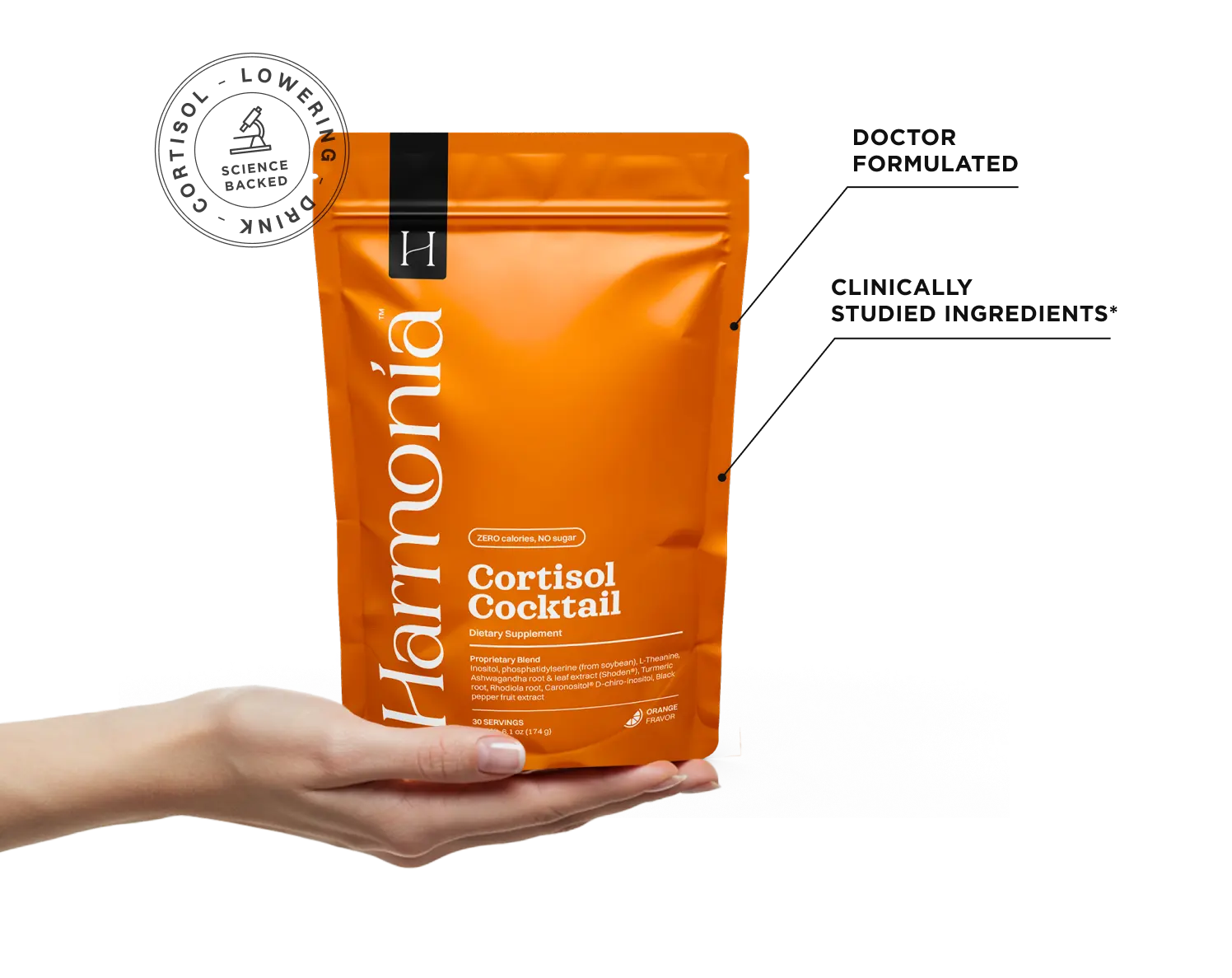
For those struggling with adrenal body type symptoms, lifestyle changes are powerful - but some people also consider targeted nutritional support. This is where Harmonia Cortisol Cocktail, a daily stress-support drink, may fit after the basics and any relevant medical causes have been considered.
- Stress support: Ashwagandha has randomized-trial evidence for perceived stress and serum cortisol, while L-Theanine has more modest evidence for acute stress and attention.
- Metabolic support: Myo-Inositol and D-Chiro Inositol have research in PCOS-related insulin and reproductive outcomes, which is a different evidence base from adrenal body type.
Conclusion
The adrenal body type is more than just a body shape - it’s a reflection of how chronic stress, cortisol, and modern living affect your health. From stubborn belly fat and fatigue to mood swings and hormone imbalances, these signs can have several causes.
By addressing stress, diet, sleep, and lifestyle, you can support steadier energy, appetite, and weight-management habits. Body shape alone cannot diagnose high cortisol or an adrenal disorder. Persistent symptoms deserve medical evaluation.
If ongoing stress still sits alongside sleep, energy, or appetite changes after you have addressed the basics, you can take the Harmonia quiz to see whether the Harmonia Cortisol Cocktail fits where you are right now.
Frequently asked questions
Is adrenal body type a real medical diagnosis?
No recognized endocrine diagnosis is called an adrenal body type. The term is used in wellness content for a pattern of abdominal weight gain and stress-related symptoms, while clinicians evaluate those symptoms according to their specific causes.
What does an adrenal body type look like?
People usually use the term for a thicker waist or rounder midsection, sometimes called adrenal belly shape. Fat distribution is influenced by several factors, so appearance cannot confirm a cortisol problem.
What foods should you avoid for adrenal body type?
There is no required adrenal body type diet. If high-sugar foods, alcohol, large amounts of caffeine, or highly processed foods are disrupting blood sugar, sleep, or appetite, reducing them can make a balanced eating pattern easier to sustain.
References
- Florin, N., & Cristian, M. P. (2025). THE EFFECTS OF PHYSICAL ACTIVITY ON THE HPA AXIS (HYPHOTALAMIC-PITUITARY-ADRENAL GLAND)-A LITERATURE REVIEW. Sport & Society/Sport si Societate, 25(1). Link.
- Isaza, A. (2023). Cortisol-Increasing Foods And Metabolic Syndrome Risk Factors A Review Of The Available Evidence. Nutritional Perspectives: Journal of the Council on Nutrition, 46(3). Link.

_11zon.jpeg)
%20(1).jpeg)